
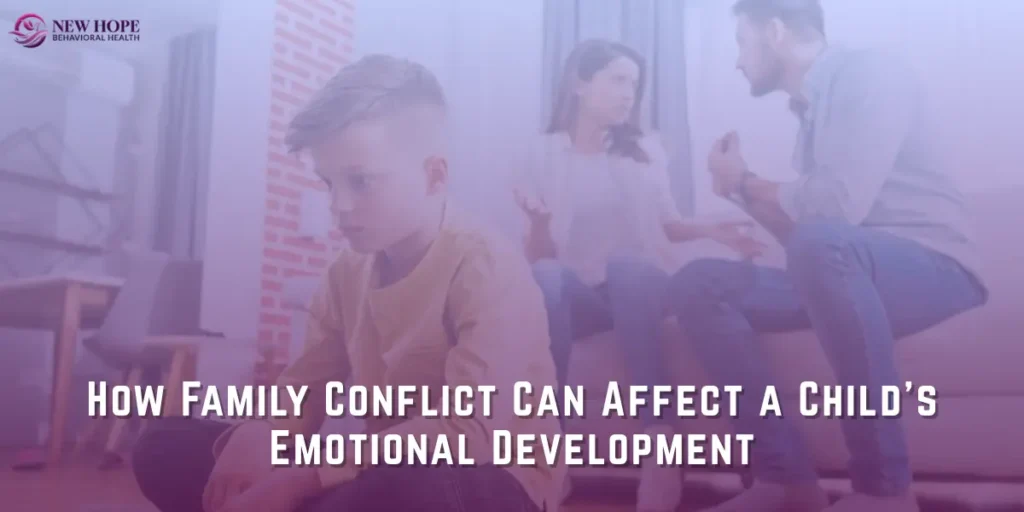
Children depend on their family environment to develop emotional security, confidence, and healthy relationships. The way parents and caregivers communicate, manage disagreements, and respond to stress can influence how children understand and express their feelings. While disagreements are a normal part of family life, ongoing Family Conflict can create emotional challenges that children may struggle to understand or manage.
The effects of Family Conflict are not always immediately visible. Some children may become withdrawn, while others may experience anxiety, irritability, difficulty concentrating, or changes in behavior. These reactions are not necessarily signs of a lasting emotional problem, but they can indicate that a child needs additional reassurance and support.
Understanding how Family Conflict influences emotional development can help parents recognize potential concerns before they become more difficult to address. Although Family Conflict can affect children in different ways, a supportive home environment, consistent communication, and appropriate professional guidance can help protect their emotional well-being.
Understanding Emotional Development in Children
Emotional development is the gradual process through which children learn to recognize, understand, express, and regulate their emotions. It also involves developing empathy, building relationships, managing frustration, and responding to stressful situations.
During childhood, these abilities develop through everyday interactions with parents, caregivers, siblings, teachers, and peers. Family relationships are particularly influential because children often look to their caregivers for reassurance, guidance, and a sense of safety.
When children experience consistent emotional support, they are more likely to develop healthy ways of managing difficult feelings. They gradually learn that emotions can be expressed appropriately, disagreements can be resolved respectfully, and relationships can remain secure even when people disagree.
However, frequent Family Conflict can interfere with this learning process. When the home environment feels unpredictable or emotionally tense, children may struggle to understand what is happening around them. They may become more attentive to adults’ moods and less confident in their ability to express their own needs.
This does not mean that every disagreement damages a child’s development. The frequency, intensity, duration, and resolution of disagreements all matter. What often makes the greatest difference is whether children continue to experience safety, affection, and dependable caregiving.

How Family Conflict Affects a Child’s Emotional Well-Being
Increased Anxiety and Emotional Insecurity
Children need a reasonable sense of predictability to feel secure. When tension between family members becomes frequent or intense, that sense of security may weaken.
A child may begin to worry about what will happen next, whether the adults they depend on are emotionally available, or whether the household will remain stable. Younger children may find these feelings particularly difficult to explain because they have not yet developed the language needed to describe complicated emotional experiences.
Over time, repeated Family Conflict may contribute to persistent worry, heightened sensitivity to stress, or difficulty relaxing at home. Some children may constantly monitor the emotional atmosphere around them, making it harder to focus on their own activities and relationships.
Parents can help by offering reassurance without dismissing the child’s concerns. Children benefit from knowing that adult disagreements are not their responsibility and that they are loved regardless of the tension between family members.
Difficulty Regulating Emotions
Emotional regulation is the ability to recognize feelings and respond to them in a manageable way. Children learn this skill partly by observing how adults handle frustration, disappointment, and disagreements.
When caregivers regularly communicate through hostility, intimidation, or uncontrolled anger, children may have fewer opportunities to observe constructive emotional regulation. They may struggle to manage their own frustration or believe that strong emotions must be expressed through aggression or emotional withdrawal.
Repeated Family Conflict can also increase emotional stress, making it more difficult for some children to pause, think through a situation, and choose an appropriate response.
These difficulties should not automatically be interpreted as deliberate disobedience. A child who reacts strongly may be experiencing emotions that feel overwhelming.
Helping children identify their feelings, establish predictable routines, and practice calm communication can support the gradual development of healthier coping skills.
Lower Self-Esteem and Confidence
A child’s sense of self develops through relationships and repeated experiences of acceptance, encouragement, and belonging. When the home environment involves frequent criticism, blame, or rejection, children may begin to question their own worth.
Some children may incorrectly believe they are responsible for tension between their parents or other family members. Others may feel that their needs are unimportant when adults are preoccupied with ongoing disagreements.
In these circumstances, Family Conflict may contribute to feelings of guilt, shame, helplessness, or insecurity. Children may become reluctant to express their opinions because they fear criticism or worry that speaking up will create additional tension.
Caregivers can strengthen self-esteem by showing affection consistently, listening without judgment, and separating a child’s behavior from their overall worth. Children need to understand that making mistakes does not make them unlovable and that adult disagreements are not their burden to carry.
The Behavioral Signs of Emotional Stress
Children do not always communicate distress through words. Their behavior may provide important information about how they are feeling, particularly when they cannot explain the source of their discomfort.
Withdrawal and Social Isolation
Some children respond to emotional stress by becoming quieter or spending less time interacting with others. They may appear less interested in activities they previously enjoyed or avoid discussing their feelings.
Withdrawal can sometimes reflect an attempt to cope with an environment that feels emotionally overwhelming. Rather than adding pressure, caregivers should create opportunities for conversation while respecting the child’s need for time and space.
Irritability and Aggressive Behavior
Other children may express emotional distress through irritability, defiance, frequent frustration, or aggressive behavior. These reactions can occur when children have difficulty identifying and communicating what they feel.
Ongoing Family Conflict may also influence how children understand disagreement. If hostility is a common feature of household interactions, they may have difficulty learning alternative ways to manage interpersonal tension.
Responding with additional anger can intensify the problem. Calm boundaries, consistent expectations, and supportive conversations are more likely to help children develop constructive responses.
Changes in Sleep and Concentration
Emotional stress can affect a child’s ability to relax, sleep comfortably, and concentrate during the day. Some children may have difficulty falling asleep, experience recurring worries at bedtime, or struggle to remain attentive at school.
These concerns can have many causes, so they should not automatically be attributed to family relationships. However, when changes occur alongside increased household tension, they may warrant closer attention.
Parents should consider the duration and severity of these changes and seek professional advice if they interfere with the child’s daily functioning.
How Family Conflict Can Influence Social Relationships
Challenges With Trust and Communication
Children begin developing expectations about relationships through their interactions with caregivers. When those relationships provide emotional safety, children can learn that other people may disagree with them while still treating them with respect.
In contrast, persistent Family Conflict may make it more difficult for children to develop confidence in interpersonal relationships. They may become unusually cautious about trusting others or struggle to communicate their needs openly.
Some children may avoid disagreements altogether because they associate conflict with rejection or emotional distress. Others may respond to minor disagreements with disproportionate anger because they have not learned effective ways to manage tension.
These patterns are not inevitable. Positive relationships with supportive adults can help children develop healthier expectations about communication, trust, and emotional connection.
Understanding Empathy and Healthy Boundaries
Children learn empathy by observing how people respond to one another’s feelings. They also learn that healthy relationships require respect, personal boundaries, accountability, and the ability to listen.
When family interactions repeatedly involve humiliation, dismissiveness, or intimidation, children may find it harder to recognize what respectful communication looks like.
The impact of Family Conflict on social development can extend beyond the household when children begin applying familiar communication patterns to friendships and other relationships.
Parents can encourage healthier development by acknowledging different perspectives, respecting personal boundaries, and demonstrating that disagreements can be handled without insults or threats. These behaviors help children understand that emotional closeness does not require constant agreement.
The Role of Age and Developmental Stage
Children do not all respond to stressful family environments in the same way. Their reactions may depend on their age, temperament, developmental abilities, previous experiences, and access to supportive relationships.
Emotional Responses in Younger Children
Younger children may have limited vocabulary for describing complicated emotions. They may communicate distress through clinginess, crying, changes in sleep, or increased difficulty separating from caregivers.
Because they depend heavily on adults for emotional regulation, a tense household can leave them feeling confused or unsettled. They may also misunderstand the reasons for adult disagreements.
Clear reassurance, predictable routines, and age-appropriate communication can help restore a sense of stability.
Emotional Challenges During School Age
School-aged children generally have a greater ability to recognize emotional tension, but they may still struggle to understand its causes. They can become distracted by worries about family relationships, affecting their concentration, classroom participation, and friendships.
At this stage, Family Conflict may also influence how children interpret responsibility. They may assume they need to fix adult problems or keep everyone happy.
Caregivers should make it clear that resolving adult disagreements is the responsibility of adults. Children should be allowed to focus on learning, friendships, play, and their own developmental needs.
Adolescents and Emotional Independence
Adolescence involves significant changes in identity, independence, emotional regulation, and relationships. Teenagers may be better able to understand the reasons behind family disagreements, but this does not mean they are unaffected by them.
Persistent household tension can contribute to emotional exhaustion, frustration, withdrawal, or difficulty trusting others. Some adolescents may avoid family interactions, while others may become increasingly involved in disagreements.
Respectful communication and appropriate independence can help teenagers feel heard without placing adult responsibilities on them. When emotions become difficult to manage, access to a trusted adult or mental health professional can provide valuable support.
When Family Conflict Becomes a Mental Health Concern
Disagreements are not automatically harmful. What matters is how family members behave during disagreements, how frequently tensions occur, and whether children continue to feel emotionally and physically safe.
However, persistent Family Conflict can become a more serious concern when it involves intimidation, repeated humiliation, threats, physical aggression, or the ongoing use of children as intermediaries in adult disputes.
Children exposed to chronic stress may experience emotional difficulties that affect school performance, friendships, family relationships, and everyday functioning. Some may develop symptoms associated with anxiety or depression, although these conditions require careful assessment rather than assumptions based on family circumstances alone.
Parents and caregivers should pay attention to changes that persist, intensify, or interfere with daily life. Professional support may be appropriate when a child experiences ongoing fear, sadness, emotional outbursts, social withdrawal, or difficulty functioning at home or school.
When disagreements involve violence, threats, or immediate danger, protecting the child and obtaining appropriate safety support should take priority over attempting to resolve the disagreement through ordinary communication strategies.
Practical Ways Parents Can Protect a Child’s Emotional Development
Create a Predictable and Supportive Home Environment
Children benefit from routines and dependable caregiving, especially when adults are experiencing stress. Consistent mealtimes, bedtime routines, school schedules, and opportunities for positive interaction can help children experience stability.
Although routines cannot eliminate relationship difficulties, they can reduce uncertainty and reinforce the message that essential caregiving responsibilities remain reliable.
Parents should also make time for connection that is not centered on household problems. Listening, spending time together, and showing affection can help children feel valued and emotionally supported.
Communicate Without Involving Children in Adult Disputes
Children should not be expected to choose sides, carry hostile messages, keep secrets about harmful behavior, or take responsibility for repairing adult relationships.
When Family Conflict occurs, caregivers should make reasonable efforts to keep children away from intense confrontations and avoid discussing adult grievances in ways that place emotional pressure on them.
If a child has witnessed a disagreement, a calm conversation can help clarify what happened without providing unnecessary details. Parents can acknowledge that the situation may have felt upsetting, explain that adults are responsible for managing their own disagreements, and invite the child to share any concerns.
It is important to follow these conversations with consistent behavior. Reassuring words are most effective when children also experience respectful interactions and dependable care.
Model Healthy Conflict Resolution
Children benefit when adults demonstrate that disagreements can be addressed without aggression or personal attacks. Healthy conflict resolution involves listening, expressing concerns clearly, acknowledging mistakes, and working toward reasonable solutions.
When Family Conflict has occurred, adults can demonstrate accountability by recognizing when their behavior was inappropriate and explaining how they intend to respond differently in the future.
Parents do not need to demonstrate perfection. What matters is showing children that mistakes can be acknowledged, relationships can be repaired, and emotions can be managed responsibly.
These lessons help children develop emotional flexibility and a more realistic understanding of healthy relationships.
Encourage Children to Express Their Feelings
Children need opportunities to discuss their emotions without fearing blame or punishment. Caregivers can ask open-ended questions, listen patiently, and acknowledge feelings even when they do not fully understand the child’s perspective.
It is equally important to avoid forcing children to talk before they feel ready. Some may communicate more comfortably through writing, drawing, or conversations during quiet activities.
If Family Conflict has left a child feeling uncertain or distressed, validating their emotions can help them feel understood. Validation does not mean agreeing with every interpretation. It means recognizing that the child’s emotional experience deserves attention.
Seek Professional Guidance When Needed
Sometimes, family stress becomes difficult to manage without outside assistance. Mental health professionals can help children understand their feelings, develop coping strategies, and improve emotional regulation.
Child-focused therapy may provide a supportive setting where children can discuss concerns and practice skills for managing anxiety, frustration, and interpersonal difficulties. Depending on the circumstances, parent guidance or family therapy may also help caregivers improve communication and strengthen relationships.
The appropriate approach depends on the child’s age, symptoms, family circumstances, and safety needs. A qualified professional can help determine which form of support is most suitable.
How New Hope Behavioral Health Can Support Children’s Mental Health
Children experiencing ongoing emotional stress may benefit from professional assessment and appropriate mental health support. Recognizing concerns early can help families understand a child’s needs and identify practical ways to strengthen emotional well-being.
New Hope Behavioral Health provides mental health services designed to support individuals and families navigating emotional and behavioral challenges. Parents concerned about their child’s reactions to ongoing household stress can explore available services and discuss their concerns with a qualified provider.
Professional guidance may help families better understand emotional symptoms, identify constructive coping strategies, and determine whether further assessment or treatment is appropriate.
Seeking support does not mean a parent has failed. It reflects a willingness to take a child’s emotional needs seriously and make thoughtful changes when necessary.
Families should choose care based on their child’s individual circumstances, the provider’s qualifications, and the services available. When a child is experiencing significant distress, timely professional guidance can be an important step toward improved emotional functioning.
Building a Healthier Foundation for Children
Children do not need a home where disagreements never occur. They need relationships in which they feel safe, valued, and supported, even when adults face challenges.
Although Family Conflict can influence emotional security, behavior, and social development, its effects are not predetermined. Consistent caregiving, respectful communication, emotional reassurance, and appropriate professional support can help children develop healthier ways of understanding and managing their feelings.
Parents can begin by paying attention to changes in their child’s behavior, creating space for honest conversations, and taking responsibility for the emotional environment they help shape. Small, consistent improvements in communication and caregiving can make a meaningful difference over time.
Ultimately, reducing the harmful effects of Family Conflict begins with recognizing that children experience family relationships from their own developmental perspective. When adults prioritize emotional safety and respond thoughtfully to children’s needs, they help lay the groundwork for resilience, confidence, and healthier relationships throughout life.
Frequently Asked Questions
1. How does family conflict affect a child's emotional development?
Family conflict can affect a child’s emotional security, self-esteem, and ability to regulate feelings. Ongoing tension may contribute to anxiety, sadness, irritability, or difficulty trusting others. The impact depends on the intensity of disagreements, the child’s developmental stage, and the support available at home.
2. Can family conflict cause anxiety in children?
Yes, persistent family conflict may contribute to anxiety in children. Frequent tension can make children feel uncertain about their home environment and worry about their family’s stability. Consistent reassurance, predictable routines, and professional mental health support when needed can help children manage these concerns.
3. What are the signs that family conflict is affecting a child?
Possible signs include increased irritability, social withdrawal, difficulty sleeping, trouble concentrating, frequent worry, and changes in school performance or relationships. These symptoms can have several causes, so parents should seek professional guidance if changes persist or interfere with daily functioning.
4. How can parents protect children from the effects of family conflict?
Parents can protect children by keeping adult disagreements away from them whenever possible, avoiding pressure to choose sides, and maintaining consistent routines. Calm communication, emotional reassurance, and respectful conflict resolution also help children feel secure and develop healthier coping skills.
5. When should parents seek professional help for a child affected by family conflict?
Parents should consider professional support when a child experiences persistent anxiety, sadness, behavioral changes, emotional outbursts, or difficulties at home or school. A qualified mental health professional can assess the child’s needs and recommend appropriate support, including individual therapy or family-based interventions when suitable.
Care starts with understanding.
Explore more perspectives on mental health and get to know the people behind your care.
Meet our providers