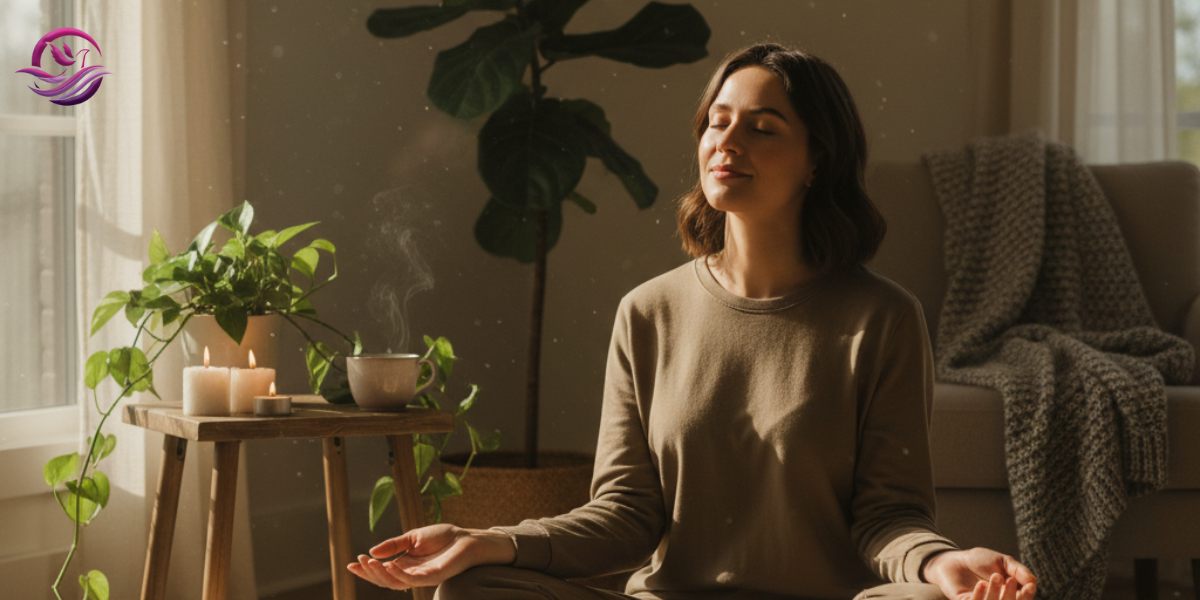
Importance of Self Care for Mental Well Being
In today’s fast-paced world, it’s easy to forget the most essential relationship we have, the one with ourselves. Between work responsibilities, family commitments, and constant digital distractions, many people neglect their own needs. Yet, understanding the importance of self care for mental well being is vital for building resilience and emotional balance.
Self care is not indulgence or selfishness, it’s an act of preservation. It allows you to recharge mentally, emotionally, and physically so that you can show up as your best self in every part of life. From maintaining emotional stability to preventing burnout, self care plays a powerful role in overall mental health.
1. What Self Care Really Means
Self care goes beyond bubble baths or occasional relaxation. It’s about making intentional choices that nurture your mind, body, and spirit. It involves taking responsibility for your emotional needs, setting boundaries, and practicing habits that sustain your energy and mental clarity.
True self care includes physical activities like sleeping well, eating nourishing foods, and staying active, but it also includes mental practices like mindfulness, positive self-talk, and emotional regulation.
When you consistently make time to check in with yourself, you create a sense of balance that protects you from stress, anxiety, and emotional exhaustion.
2. The Connection Between Self Care and Mental Well Being
The importance of self care for mental well being lies in how it directly influences your mood, mindset, and resilience. When you ignore your needs, your body and mind eventually signal distress, often through irritability, fatigue, or anxiety.
Regular self care, on the other hand, enhances your ability to cope with challenges. It helps regulate stress hormones, boosts serotonin levels, and strengthens neural pathways that promote calmness and focus.
Simple daily acts like journaling, deep breathing, or taking a short walk can trigger positive chemical changes in the brain, supporting emotional stability and mental clarity.
3. Emotional Benefits of Prioritizing Self Care
Emotional health is deeply intertwined with self awareness and self compassion. By prioritizing self care, you give yourself permission to feel, process, and release emotions in a healthy way.
Here’s how self care supports emotional well being:
- It encourages emotional regulation by helping you slow down and reflect.
- It reduces the intensity of negative emotions such as anger, guilt, or sadness.
- It builds confidence and self-esteem by reinforcing that your needs matter.
- It improves relationships because emotionally balanced individuals communicate more effectively.
When you manage your emotions well, you’re less reactive and more grounded, key elements of mental strength.
4. Physical Health and Its Role in Mental Wellness
Physical self care is one of the most overlooked aspects of mental health. Your brain and body are interconnected; when your body is exhausted or poorly nourished, your mind suffers too.
Engaging in physical self care, like exercising regularly, staying hydrated, or getting enough rest, supports the release of endorphins and dopamine, the body’s natural mood enhancers.
Sleep, in particular, plays a crucial role. Lack of rest can worsen anxiety, depression, and irritability. Prioritizing consistent sleep routines and relaxation practices strengthens mental clarity and emotional resilience.
5. Mindfulness as a Powerful Self Care Tool
Mindfulness, the practice of being fully present in the moment, is one of the most effective ways to care for your mental health. It helps reduce overthinking, calms the nervous system, and enhances focus.
You don’t need to meditate for hours; even five minutes of deep breathing or mindful awareness can make a difference. Mindfulness encourages acceptance of your thoughts and feelings without judgment, which decreases emotional distress and increases self compassion.
Regular mindfulness practice trains your brain to respond thoughtfully instead of reacting impulsively, improving both your emotional regulation and interpersonal relationships.
6. Setting Boundaries for Better Mental Health
Boundaries are an essential yet often neglected form of self care. They protect your energy and mental space, allowing you to say “no” when necessary without guilt.
Setting healthy boundaries means recognizing your limits, whether in relationships, work, or digital life, and communicating them clearly.
When you enforce boundaries, you prevent emotional burnout and preserve your mental peace. You also teach others how to treat you with respect, which reinforces self worth and emotional safety.
7. The Role of Social Connections in Self Care
Humans are social beings, and connection is fundamental to mental well being. Maintaining supportive relationships is a form of self care that enhances feelings of belonging, comfort, and purpose.
Spending time with people who uplift you, sharing your emotions, or simply laughing together can lower cortisol levels and boost happiness.
However, self care also means distancing yourself from toxic or draining relationships. Surrounding yourself with positive influences contributes significantly to your mental health and overall well being.
8. Self Compassion: The Heart of Emotional Healing
Many people struggle with being kind to themselves. Self compassion, treating yourself with the same care you offer others, is a cornerstone of emotional healing.
Practicing self compassion involves forgiving yourself for mistakes, acknowledging your feelings, and letting go of perfectionism.
When you approach yourself with kindness instead of criticism, your brain releases oxytocin, a hormone that promotes feelings of calm and connection. This shift not only reduces stress but also encourages personal growth and resilience.
9. Creating a Personalized Self Care Routine
There’s no single formula for self care. Everyone’s needs and preferences differ, which is why developing a personalized routine is essential.
To start:
- Identify what drains your energy or triggers stress.
- Replace negative habits with nurturing ones, like reading, journaling, or spending time in nature.
- Schedule time for yourself daily, even 10 minutes of intentional self care can have lasting effects.
Consistency matters more than intensity. Over time, these small daily rituals reinforce emotional stability and mental balance.
10. Why Self Care Is Essential for Preventing Burnout
Ignoring your mental needs often leads to burnout, a state of emotional, mental, and physical exhaustion. Regular self care acts as a protective barrier against this.
When you check in with your emotions, take breaks, and engage in activities that bring joy, you replenish your mental reserves.
Self care reminds you that rest is productive and that your value isn’t defined by constant busyness. This mindset shift helps prevent chronic stress and promotes long-term well being.
11. Cultivating a Positive Mindset Through Self Care
Your thoughts shape your emotional world. Self care helps you cultivate a positive mindset by encouraging gratitude, reflection, and mental discipline.
Activities such as affirmations, gratitude journaling, or spending time outdoors nurture optimism. Over time, positivity becomes a mental habit, improving both mood and motivation.
By intentionally focusing on what uplifts you, you strengthen your mental resilience and create a foundation for sustained happiness.
12. The Long-Term Benefits of Practicing Self Care
Committing to self care has lifelong benefits. People who prioritize their mental and emotional needs experience:
- Reduced anxiety and depression
- Higher self awareness
- Better focus and decision making
- Improved relationships and empathy
- A greater sense of fulfillment and peace
The importance of self care for mental well being lies in how it transforms daily living. It allows you to manage life’s challenges with grace, compassion, and emotional stability.
Conclusion
Understanding the importance of self care for mental well being means recognizing that you cannot pour from an empty cup. Taking care of yourself isn’t optional, it’s essential for a balanced, fulfilling life.
Self care empowers you to live with clarity, confidence, and peace. By prioritizing your needs, you not only nurture your own happiness but also positively influence everyone around you.
So, make time for yourself today. Your mind and heart will thank you
For further reading on emotional and mental well being, visit Harvard Health Publishing.