
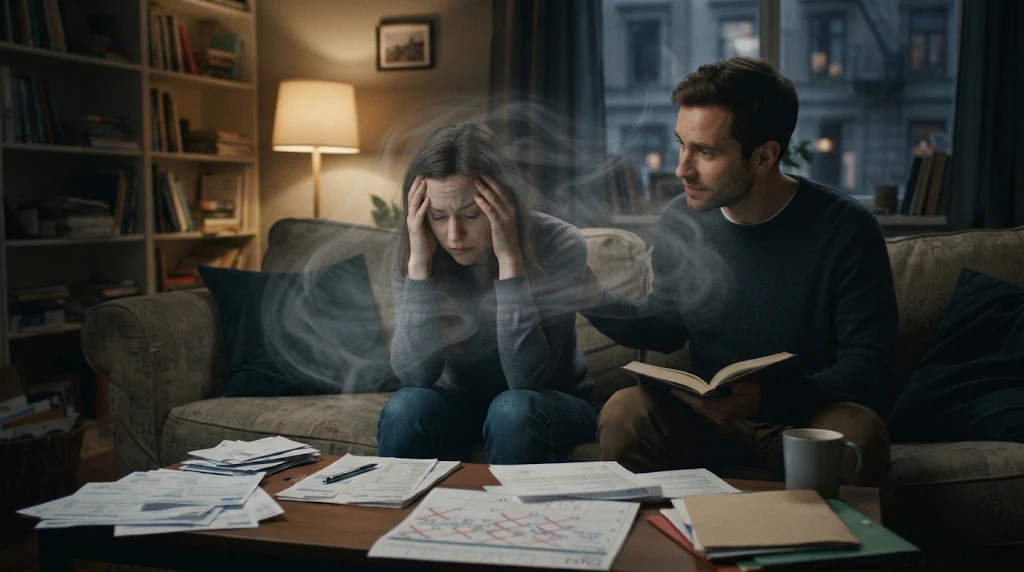
Anxiety is more than occasional nervousness or worry. It can influence how a person thinks, feels, communicates, makes decisions, and responds to everyday responsibilities. When anxiety becomes persistent, even ordinary activities may begin to feel mentally exhausting. Understanding how Anxiety Can Affect Daily Life is important because its impact often extends beyond emotional discomfort, affecting personal well-being, relationships, work, and social interactions.
Many people experience anxiety without immediately recognizing its influence on their routines. They may notice constant overthinking, difficulty concentrating, irritability, physical tension, or a growing desire to avoid social situations. Over time, Anxiety Can Affect Daily Life by making simple responsibilities feel overwhelming and creating emotional distance between individuals and the people they care about.
Relationships can become particularly challenging when anxiety influences communication, trust, emotional availability, or the ability to express feelings openly. Although anxiety is a common mental health concern, its effects can be deeply personal. Recognizing these patterns is an important step toward understanding emotional needs and finding healthier ways to cope.
What Is Anxiety and Why Does It Occur?
Anxiety is the body’s natural response to perceived danger, uncertainty, stress, or challenging situations. It activates the nervous system, preparing the body to respond to potential threats. This response can be helpful in certain circumstances, but when worry becomes excessive, persistent, or disproportionate to the situation, it may interfere with daily functioning.
Anxiety can develop through a combination of biological, psychological, environmental, and social factors. Genetics, previous experiences, prolonged stress, significant life changes, and underlying health concerns may contribute to its development. The experience varies from person to person, and not everyone responds to stress in the same way.
For some individuals, anxiety is primarily emotional, involving persistent worry or fear. For others, it may be accompanied by physical symptoms, restlessness, sleep difficulties, or difficulty maintaining concentration.
Recognizing anxiety as a mental health condition rather than a personal weakness is essential. People experiencing anxiety are not necessarily overreacting or lacking resilience. Their nervous systems may be responding to stress in ways that make emotional regulation and everyday functioning more difficult.
How Anxiety Can Affect Daily Life
When anxiety becomes part of a person’s everyday experience, it can influence several areas of functioning. The effects are not always obvious to others, but they can gradually interfere with a person’s ability to maintain a balanced and fulfilling lifestyle.
1. Difficulty Concentrating and Making Decisions
Persistent worry can consume mental energy, leaving less attention available for important tasks. A person may struggle to stay focused, organize thoughts, remember information, or complete responsibilities efficiently.
Decision-making can also become complicated. Fear of making the wrong choice may cause excessive hesitation, repeated reconsideration, or a need for reassurance. Even straightforward decisions may require considerable mental effort.
When Anxiety Can Affect Daily Life in this way, individuals may feel frustrated with themselves, particularly when they understand what needs to be done but cannot easily move forward. This frustration may contribute to reduced confidence and additional stress.
2. Changes in Sleep and Energy Levels
Sleep and anxiety are closely connected. An anxious mind may remain active long after the day has ended, making it difficult to relax or fall asleep. Concerns about responsibilities, relationships, health, or the future can keep thoughts moving when the body needs rest.
Poor sleep may then increase irritability, emotional sensitivity, fatigue, and difficulty concentrating during the following day. This creates a cycle in which anxiety interferes with sleep, and insufficient sleep makes anxiety harder to manage.
Over time, disrupted sleep can affect motivation, productivity, physical comfort, and overall emotional well-being. Rest is not simply a luxury; it is an important part of maintaining mental health.
3. Physical Symptoms and Discomfort
Anxiety does not exist only in the mind. It can trigger noticeable physical sensations because the nervous system responds to perceived stress.
Common physical symptoms may include:
- Muscle tension and headaches
- Rapid heartbeat or palpitations
- Sweating or trembling
- Stomach discomfort or nausea
- Shortness of breath
- Fatigue and restlessness
These symptoms can sometimes make people feel concerned about their physical health, which may further increase anxiety. Persistent or new physical symptoms should not automatically be attributed to anxiety. Medical evaluation may be necessary to rule out other causes.
Understanding the connection between emotional stress and physical reactions can help individuals recognize when they may need professional support.
4. Reduced Productivity and Motivation
Anxiety may interfere with the ability to complete professional, academic, household, or personal responsibilities. Excessive worry can make tasks feel more complicated, while fear of failure or criticism may discourage a person from getting started.
Some individuals may become mentally exhausted from trying to control their thoughts or anticipate potential problems. Others may struggle with procrastination, perfectionism, or difficulty prioritizing responsibilities.
This is one way Anxiety Can Affect Daily Life without necessarily being visible to friends, colleagues, or family members. A person may appear capable and organized while internally experiencing significant distress.
When productivity decreases, individuals may become self-critical, which can intensify anxiety and make recovery more difficult. Learning to recognize these patterns can help reduce unrealistic expectations and encourage healthier approaches to managing responsibilities.
How Anxiety Can Affect Relationships
Healthy relationships require communication, trust, emotional understanding, and the ability to navigate disagreements. Anxiety can influence each of these areas, sometimes creating misunderstandings that neither person fully recognizes.
When anxiety becomes difficult to manage, it may affect how a person interprets conversations, responds to emotional situations, or expresses affection. Relationships may begin to feel stressful instead of supportive, especially when both partners struggle to understand what is happening.
1. Communication Becomes More Difficult
Anxiety may cause individuals to overthink conversations, worry about how their words will be interpreted, or fear upsetting someone they care about. These concerns can make honest communication feel uncomfortable.
Some people may withdraw instead of discussing their feelings, while others may seek reassurance repeatedly because uncertainty feels difficult to tolerate. Emotional conversations may become exhausting when anxiety influences every response.
Anxiety Can Affect Daily Life by making communication feel less natural and increasing the likelihood of misunderstandings. Partners, friends, or family members may interpret silence as disinterest or repeated questioning as a lack of trust, even when anxiety is the underlying concern.
Open communication, patience, and emotional awareness can help individuals explain their experiences without feeling ashamed or misunderstood.
2. Increased Sensitivity to Conflict
Anxiety can make a person more emotionally sensitive, particularly when they are already feeling overwhelmed. Minor disagreements may feel more threatening, and criticism may be interpreted as rejection or a sign that something is wrong in the relationship.
During stressful conversations, individuals may experience difficulty staying calm, processing information, or responding thoughtfully. This can lead to defensive reactions, emotional withdrawal, or prolonged distress after a disagreement has ended.
When Anxiety Can Affect Daily Life through heightened emotional sensitivity, relationship conflict may become more difficult to resolve. Individuals may spend considerable time replaying conversations in their minds, questioning what they said, or worrying about the other person’s feelings.
Learning emotional regulation skills can help people respond more thoughtfully and recognize that disagreement does not necessarily threaten the stability of a relationship.
3. Emotional Distance and Withdrawal
People experiencing anxiety may withdraw from social interactions to reduce emotional pressure. Although spending time alone can provide temporary relief, excessive isolation may weaken important relationships and reduce access to emotional support.
Anxiety may also make it difficult to express affection, remain emotionally present, or participate fully in conversations. Someone may care deeply about their partner, friends, or family but struggle to communicate those feelings consistently.
This emotional distance can be confusing for loved ones. They may assume that the person has lost interest, become emotionally unavailable, or no longer values the relationship.
Recognizing anxiety-related withdrawal can encourage more compassionate conversations. Instead of focusing only on the distance, loved ones can work toward understanding the emotional difficulties contributing to it.
4. Trust, Reassurance, and Overthinking
Anxiety often increases the need for certainty. In relationships, this may lead to frequent reassurance-seeking, excessive questioning, or difficulty accepting uncertainty about another person’s feelings.
Although reassurance may provide temporary comfort, repeated reassurance-seeking can sometimes strengthen the cycle of anxiety. The relief may disappear quickly, leaving the person searching for confirmation again.
Anxiety Can Affect Daily Life by making individuals question their relationships, struggle with uncertainty, and become mentally preoccupied with concerns that are difficult to resolve.
Developing emotional confidence, learning to tolerate uncertainty, and communicating openly can help individuals build healthier relationship patterns. Professional support may also help people understand why reassurance feels necessary and how to respond to anxious thoughts more effectively.
The Emotional Impact of Living With Persistent Anxiety
Living with persistent anxiety can be emotionally draining. A person may feel mentally exhausted, frustrated, discouraged, or disconnected from activities that once brought enjoyment.
The constant effort to manage worries may leave little emotional energy for relaxation, creativity, social connection, or personal growth. Individuals may become increasingly critical of themselves because they cannot seem to switch off their thoughts.
Self-Esteem and Confidence
Anxiety can influence how individuals view their abilities, appearance, decisions, and personal worth. Persistent self-doubt may cause them to question whether they are capable of handling responsibilities or maintaining meaningful relationships.
Over time, these thoughts can reduce confidence and make people less willing to pursue opportunities, express opinions, or establish personal boundaries.
Building self-esteem often requires recognizing that anxious thoughts are not necessarily accurate reflections of reality. Developing self-compassion, acknowledging personal strengths, and seeking appropriate mental health care can help individuals create a more balanced perspective.
Social Isolation and Loneliness
Social interaction may feel demanding when anxiety creates concerns about judgment, rejection, embarrassment, or misunderstanding. Individuals may begin avoiding gatherings, limiting conversations, or distancing themselves from supportive people.
Although avoidance can reduce anxiety temporarily, it may also increase loneliness and make future social interactions feel more intimidating.
When Anxiety Can Affect Daily Life by limiting social participation, the emotional consequences can become more significant. Human connection plays an important role in mental well-being, and prolonged isolation may contribute to additional stress or depressive symptoms.
Maintaining small, manageable connections with trusted people can help individuals remain emotionally engaged without feeling pressured to overcome everything at once.
How Anxiety Influences Family Dynamics
Anxiety can affect the emotional atmosphere of an entire household. Family members may notice changes in communication, patience, routines, or the way responsibilities are handled.
When anxiety is not understood, relatives may become frustrated or assume that certain behaviors are intentional. Meanwhile, the person experiencing anxiety may feel misunderstood, criticized, or unable to explain their emotional needs.
These differences in perception can create tension and make family communication more difficult.
Supportive family relationships can play an important role in recovery. Listening without judgment, encouraging healthy coping strategies, and respecting emotional boundaries may help create an environment where individuals feel safe discussing their concerns.
Family members should also remember that supporting someone with anxiety does not mean taking responsibility for managing every aspect of their emotional experience. Compassion and healthy boundaries can coexist.
Healthy Ways to Manage Anxiety
Managing anxiety often involves developing consistent habits, understanding emotional triggers, and learning skills that help regulate the nervous system. Although no single strategy works for everyone, several approaches may support emotional well-being.
Practicing Mindfulness and Relaxation
Mindfulness encourages individuals to pay attention to the present moment without immediately judging their thoughts or feelings. This can help reduce the tendency to become absorbed in worries about the past or future.
Relaxation techniques, including controlled breathing, progressive muscle relaxation, and guided meditation, may also help reduce physical tension and promote a calmer emotional state.
Regular practice is often more beneficial than waiting until anxiety becomes overwhelming.
Maintaining a Balanced Routine
A consistent daily routine can provide structure during periods of emotional uncertainty. Regular sleep, balanced meals, physical activity, and reasonable breaks can support both physical and psychological health.
Exercise may help relieve stress, improve mood, and support better sleep. However, individuals should choose activities that feel manageable rather than turning wellness routines into additional sources of pressure.
Setting Boundaries and Communicating Needs
Healthy boundaries help individuals protect their emotional energy while maintaining meaningful relationships. Communicating personal limits, allowing time for rest, and expressing needs clearly can reduce unnecessary stress.
When Anxiety Can Affect Daily Life by creating pressure to satisfy everyone or avoid disappointing others, boundaries may become especially important. Individuals can learn that protecting their well-being does not mean neglecting their relationships.
Challenging Anxious Thoughts
Cognitive behavioral techniques can help individuals identify patterns of thinking that contribute to anxiety. These may include catastrophizing, assuming the worst, overestimating danger, or interpreting uncertainty as a sign of failure.
Learning to evaluate thoughts more realistically can reduce emotional distress and improve decision-making.
Rather than attempting to eliminate every anxious thought, individuals can work toward responding to their thoughts with greater flexibility, patience, and awareness.
When to Seek Professional Mental Health Support
Anxiety deserves attention when it becomes persistent, difficult to manage, or interferes with daily functioning. Individuals may benefit from professional support when emotional distress affects sleep, work, relationships, physical health, or the ability to complete routine responsibilities.
A mental health professional can help assess symptoms, identify contributing factors, and develop an appropriate treatment plan. Depending on an individual’s needs, treatment may involve psychotherapy, lifestyle changes, medication evaluation, or a combination of approaches.
Cognitive Behavioral Therapy (CBT) is commonly used to help people identify anxious thinking patterns and develop healthier responses to stress. Other therapeutic approaches may focus on emotional regulation, mindfulness, relationship patterns, or underlying experiences contributing to anxiety.
Seeking help is not a sign of weakness. It is a proactive step toward improving emotional well-being and regaining a sense of control over one’s life.
At New Hope Behavioral Health, individuals can seek professional guidance to better understand their mental health concerns and explore appropriate care options. Having a supportive professional to talk to can make it easier to navigate emotional challenges and work toward meaningful progress.
Rebuilding Balance and Emotional Well-Being
Understanding how Anxiety Can Affect Daily Life and relationships allows individuals to recognize patterns that may otherwise remain unnoticed. Anxiety can influence communication, concentration, sleep, confidence, emotional connection, and the ability to enjoy everyday experiences.
However, these difficulties do not have to define a person’s life. With greater self-awareness, healthy coping strategies, supportive relationships, and professional guidance when needed, individuals can learn to manage anxiety and improve their overall quality of life.
Progress may not happen all at once. It often develops through small, consistent changes, a willingness to seek help, and the understanding that emotional well-being deserves the same attention as physical health.
If anxiety is interfering with your daily responsibilities or relationships, reaching out to a mental health professional can be an important first step toward feeling more grounded, connected, and emotionally supported.
Frequently Asked Questions FAQs
1. How can anxiety affect daily life?
Anxiety can affect daily life by interfering with concentration, sleep, productivity, emotional stability, and decision-making. It may also cause physical symptoms such as muscle tension, headaches, rapid heartbeat, and fatigue, making everyday responsibilities more difficult to manage.
2. Can anxiety affect relationships with family and friends?
Yes, anxiety can affect relationships by making communication more difficult, increasing emotional sensitivity, and creating misunderstandings. People experiencing anxiety may withdraw socially, overthink conversations, or struggle to express their feelings, which can affect their connections with loved ones.
3. Can anxiety cause physical symptoms even when there is no obvious reason?
Yes, anxiety can trigger physical symptoms such as sweating, trembling, dizziness, stomach discomfort, muscle tension, and shortness of breath. These symptoms can occur even when a person does not recognize an immediate source of stress. Persistent or unexplained symptoms should be evaluated by a healthcare professional.
4. How can I manage anxiety that interferes with my daily routine?
Managing anxiety may involve practicing mindfulness, maintaining a consistent sleep schedule, exercising regularly, setting healthy boundaries, and challenging negative thought patterns. If anxiety continues to interfere with everyday functioning, seeking help from a mental health professional may be beneficial.
5. When should I seek professional help for anxiety?
You should consider professional help when anxiety becomes persistent, overwhelming, or begins affecting your work, sleep, relationships, or overall quality of life. A mental health professional can help identify underlying concerns and recommend appropriate treatment, including therapy or other supportive interventions.
Care starts with understanding.
Explore more perspectives on mental health and get to know the people behind your care.
Meet our providers