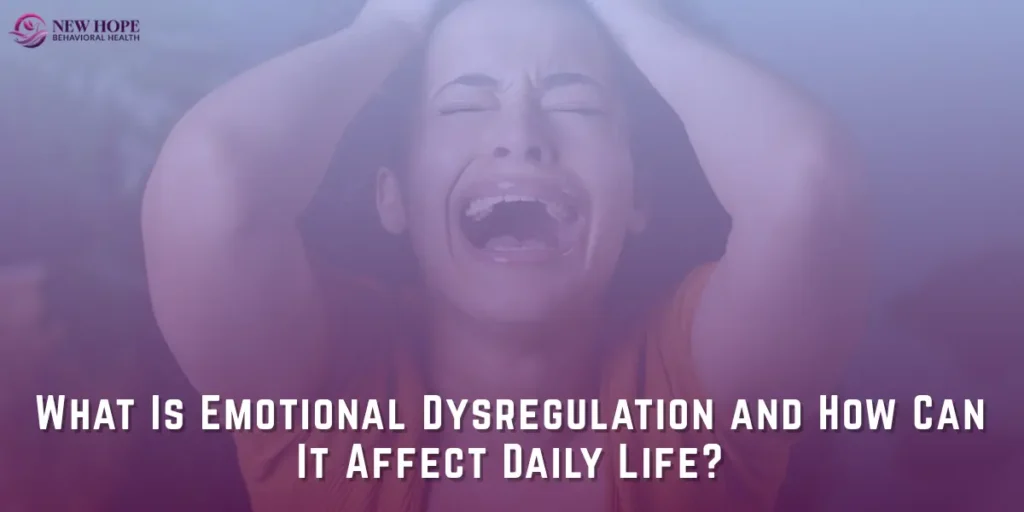
Emotional Dysregulation: What Is Emotional Dysregulation and How Can It Affect Daily Life?
Emotions are a natural part of being human, but managing them is not always easy. Emotional responses can sometimes feel unusually intense, difficult to control, or slow to settle. When these experiences repeatedly interfere with relationships, responsibilities, and personal well-being, understanding Emotional Dysregulation becomes an important step toward finding support.
Emotional Dysregulation refers to difficulty recognizing, managing, or responding to emotional experiences in ways that fit a situation. It can affect people of different ages and backgrounds, and its impact may range from occasional frustration to persistent difficulties with everyday functioning. Although everyone experiences emotional ups and downs, ongoing problems with emotional regulation can create considerable distress.
Understanding Emotional Dysregulation also means recognizing that emotional struggles are not necessarily signs of weakness, poor character, or a lack of effort. Emotional regulation is a complex process influenced by brain development, stress, personal experiences, mental health, and the environment.
For individuals experiencing these difficulties, learning about the underlying causes and available treatment options can make it easier to seek appropriate help. With professional guidance and consistent support, many people can develop healthier ways to understand their emotions and respond to challenging situations.
What Is Emotional Dysregulation?
Emotional Dysregulation describes difficulty controlling the intensity, duration, or expression of emotional responses. It can involve becoming overwhelmed by feelings, struggling to return to an emotional baseline, or finding it difficult to communicate feelings constructively.
Emotional regulation does not mean suppressing every uncomfortable feeling or remaining calm at all times. Instead, it involves identifying emotional states, understanding what may be contributing to them, and choosing responses that support personal well-being and effective decision-making.
When emotional regulation becomes difficult, a person may feel that emotions take over before they have time to think through their response. These difficulties can occur occasionally during periods of significant stress. However, when they become frequent, intense, or disruptive, a closer look at emotional health may be helpful.
Emotional Dysregulation is not, by itself, a standalone mental health diagnosis in standard clinical practice. Rather, it is a description of difficulties that can occur alongside several mental health conditions or develop in response to ongoing stress and other contributing factors.
Recognizing this distinction matters because effective support depends on understanding the individual’s circumstances rather than assuming that one explanation fits everyone.
Common Signs and Symptoms of Emotional Dysregulation
The signs of emotional regulation difficulties vary from person to person. Some individuals experience intense internal distress, while others have more noticeable difficulties expressing their feelings or managing reactions.
Intense Emotional Responses
One possible sign is experiencing emotions with an intensity that feels difficult to manage. Feelings may escalate quickly, making it challenging to pause, reflect, and respond thoughtfully.
Emotional Dysregulation can also involve difficulty distinguishing between the initial feeling and the actions that follow it. A person may recognize that their response feels disproportionate yet struggle to change it in the moment.
Difficulty Returning to Emotional Balance
Emotions naturally rise and fall. However, some people find it difficult to recover after becoming upset, anxious, disappointed, or overwhelmed. The emotional response may persist even after the immediate pressure has passed.
This prolonged distress can affect concentration, energy, sleep, and the ability to remain engaged with daily responsibilities.
Impulsive Reactions
Emotional distress can sometimes reduce a person’s ability to consider consequences before acting. When emotional control is difficult, immediate reactions may take priority over thoughtful decision-making.
Over time, repeated impulsive responses can contribute to regret, strained relationships, or reduced confidence in one’s ability to manage difficult situations.
Avoidance and Emotional Withdrawal
Not everyone responds to overwhelming emotions by expressing them outwardly. Some individuals withdraw, avoid emotionally demanding conversations, or attempt to ignore their feelings altogether.
Although temporary distance can sometimes provide relief, persistent avoidance may make emotional difficulties harder to understand and address.
Persistent Frustration or Self-Criticism
Repeated struggles with emotional control can affect self-esteem. People may judge themselves harshly for their reactions, feel embarrassed about their emotional experiences, or become frustrated when familiar coping strategies no longer seem effective.
These experiences deserve attention and compassion rather than blame. Recognizing emotional difficulties is a starting point for improvement, not evidence of personal failure.
What Causes Emotional Dysregulation?
Emotional regulation is influenced by several interconnected factors. There is rarely one universal cause, and identifying the factors contributing to an individual’s difficulties often requires a comprehensive assessment of their mental health, developmental history, and current circumstances.
Mental Health Conditions
Emotional Dysregulation can occur alongside mental health conditions that affect mood, attention, stress responses, and interpersonal functioning. These may include attention-deficit/hyperactivity disorder (ADHD), anxiety disorders, depression, post-traumatic stress disorder (PTSD), and borderline personality disorder.
The relationship between these conditions and emotional regulation varies. Some individuals experience emotional difficulties as a prominent concern, while others experience them as one part of a broader set of symptoms.
Importantly, experiencing intense emotions does not automatically indicate a mental health disorder. A qualified mental health professional can assess symptoms in context and determine whether an underlying condition may be contributing to the difficulties.
Childhood Experiences and Development
Emotional regulation skills develop over time. Early relationships, caregiving experiences, environmental stability, and opportunities to learn healthy coping strategies can influence how individuals recognize and respond to feelings.
Adverse childhood experiences, including neglect, abuse, or prolonged instability, may affect emotional development and stress responses. However, these experiences do not determine a person’s future. Supportive relationships and appropriate interventions can help individuals develop stronger emotional skills throughout life.
Emotional Dysregulation may also emerge when emotional demands exceed a person’s current coping resources, even when they have no history of significant childhood adversity.
Chronic Stress and Environmental Pressure
Ongoing stress can make it more difficult to regulate emotions effectively. When the body remains under pressure, sleep, concentration, patience, and decision-making may suffer.
Work demands, family responsibilities, financial uncertainty, and major life transitions can all contribute to emotional strain. When stress accumulates without adequate recovery, previously manageable feelings may become more difficult to handle.
Physical health and lifestyle factors also deserve consideration. Sleep deprivation, hormonal changes, certain medications, substance use, and some medical conditions can influence mood and emotional stability. A healthcare professional can help determine whether further evaluation is appropriate.
How Emotional Dysregulation Affects Daily Life
Emotional regulation difficulties can extend beyond moments of distress. When they occur frequently, they may influence communication, productivity, personal relationships, and an individual’s overall sense of control.
Effects on Relationships
Healthy relationships require communication, emotional awareness, and the ability to navigate disagreement. When emotional responses become difficult to manage, misunderstandings may become more frequent, and conversations can feel exhausting.
Emotional Dysregulation may make it harder to express needs clearly, listen during disagreements, or recover after interpersonal tension. Over time, these patterns can weaken trust and create emotional distance if they remain unaddressed.
Supportive relationships can play an important role in recovery. Learning to communicate feelings directly, recognize emotional triggers, and establish appropriate boundaries can help people build more stable connections.
Effects on Work and Productivity
Emotional difficulties can interfere with concentration, planning, and task completion. When substantial mental energy is devoted to managing distress, everyday responsibilities may require greater effort.
Emotional Dysregulation can also affect workplace communication, confidence, and decision-making. Persistent difficulties may contribute to stress-related exhaustion or reduced job satisfaction.
Developing emotional awareness and practical coping strategies can support more effective responses to workplace pressure. Where appropriate, professional support can help individuals identify patterns that interfere with their performance and well-being.
Effects on Family Life
Family relationships often involve competing needs, emotional expectations, and ongoing responsibilities. Difficulty managing emotional responses can make these demands feel more overwhelming.
When emotional regulation challenges persist, family members may struggle to understand one another’s reactions. Clear communication, predictable routines, and respectful boundaries can help create a more supportive environment.
Families may also benefit from professional guidance when emotional difficulties repeatedly disrupt household functioning or contribute to ongoing conflict.
Effects on Self-Esteem and Mental Well-Being
Repeated difficulty managing emotions can affect how people view themselves. They may begin to doubt their abilities, anticipate negative outcomes, or feel discouraged about their capacity to change.
Emotional Dysregulation may also contribute to cycles of distress in which difficult feelings lead to unhelpful reactions, followed by guilt or self-criticism. These experiences can make emotional challenges feel increasingly difficult to navigate.
Developing self-compassion is an important part of addressing this cycle. People can acknowledge the consequences of their behavior while recognizing that emotional regulation is a skill that can improve with practice and appropriate support.
How Is Emotional Dysregulation Evaluated?
There is no single test that establishes emotional dysregulation as an independent diagnosis. Instead, assessment typically focuses on the nature of the symptoms, their duration, their impact on daily functioning, and the factors that may be contributing to them.
A mental health professional may ask about emotional patterns, developmental history, current stressors, sleep, physical health, and any existing mental health concerns. Depending on the circumstances, standardized screening tools or additional medical evaluation may be appropriate.
The purpose of assessment is not simply to label a difficulty. It is to understand what is happening and identify the most suitable form of support.
Emotional Dysregulation can overlap with symptoms of several conditions, so careful assessment helps avoid assumptions and supports more individualized treatment planning.
Individuals should consider seeking professional guidance when emotional difficulties are persistent, cause significant distress, affect relationships, or interfere with work and other responsibilities. Urgent assistance is appropriate if emotional distress creates an immediate risk of harm to oneself or someone else.
Treatment and Strategies for Improving Emotional Regulation
Treatment depends on the underlying causes, the severity of the difficulties, and the individual’s personal needs. A combination of psychotherapy, practical coping skills, lifestyle adjustments, and treatment for any underlying condition may be beneficial.
Cognitive Behavioral Therapy
Cognitive behavioral therapy (CBT) helps individuals recognize connections between thoughts, emotions, and behavior. It encourages people to identify unhelpful thinking patterns and develop more balanced responses.
For individuals experiencing Emotional Dysregulation, CBT may help improve awareness of emotional triggers, challenge automatic interpretations, and strengthen problem-solving skills. Therapy also provides a structured setting in which to practice responding to distress more constructively.
Dialectical Behavior Therapy
Dialectical behavior therapy (DBT) is particularly relevant to difficulties involving intense emotions and impulsive responses. It teaches practical skills related to mindfulness, distress tolerance, emotional regulation, and interpersonal effectiveness.
These skills can help individuals recognize rising distress, tolerate uncomfortable feelings without immediately reacting, and communicate more effectively.
DBT may be appropriate for certain clinical presentations, but treatment decisions should be based on a professional assessment rather than symptoms alone.
Mindfulness and Emotional Awareness
Mindfulness encourages individuals to notice thoughts, physical sensations, and feelings without immediately judging or reacting to them.
Developing this awareness can create space between an emotional response and the next action. Over time, this practice may help people recognize early signs of distress and make more deliberate choices.
Mindfulness is not about eliminating emotions. It is about learning to experience them without allowing every feeling to dictate behavior.
Healthy Daily Habits
Consistent sleep, regular physical activity, balanced nutrition, and meaningful social connection support overall mental well-being. These habits may also make emotional demands easier to manage.
Establishing routines can reduce unnecessary stress and provide greater predictability during challenging periods. Relaxation practices and regular breaks may further support emotional recovery.
Lifestyle changes are not a substitute for professional care when symptoms are severe or persistent. Instead, they can complement treatment and support progress over time.
Medication and Professional Support
Medication is not prescribed specifically for emotional dysregulation in every case. However, when an underlying condition contributes to emotional difficulties, a qualified prescribing professional may recommend medication as part of an individualized treatment plan.
The decision depends on the diagnosis, symptoms, medical history, potential benefits, and possible side effects. Medication may be combined with psychotherapy when clinically appropriate.
Professional support can also help individuals monitor progress, adjust coping strategies, and address barriers that make change difficult.
When Should You Seek Professional Help?
Occasional emotional distress is a normal part of life. However, persistent difficulties deserve attention when they begin to affect functioning or relationships.
Consider consulting a mental health professional if emotional reactions frequently feel uncontrollable, recovery from distress takes an unusually long time, or attempts to manage emotions independently have not been effective.
Seeking help early can provide opportunities to understand contributing factors and develop healthier coping strategies before difficulties become more disruptive.
Emotional Dysregulation should be approached with both compassion and practical action. People do not need to wait until their circumstances become overwhelming before seeking guidance.
Finding Support for Emotional Health
Learning to manage emotions is a gradual process, and progress may not always be linear. Some days will feel easier than others. What matters is developing a better understanding of emotional responses and finding strategies that support long-term well-being.
Emotional Dysregulation does not define a person’s character, abilities, or future. With appropriate assessment, evidence-based treatment, and consistent practice, many individuals can improve emotional awareness, strengthen relationships, and manage daily responsibilities more effectively.
New Hope Behavioral Health provides mental health services intended to support individuals navigating emotional and psychological challenges. If emotional difficulties are affecting your quality of life, exploring professional support can be a meaningful step toward improved well-being.
Visit New Hope Behavioral Health to learn more about available services and options for mental health support.
Taking emotional health seriously is not a sign of weakness. It is an investment in a healthier, more balanced life.
Frequently Asked Questions (FAQ’s)
1. What is Emotional Dysregulation?
Emotional Dysregulation is difficulty managing the intensity, duration, or expression of emotions. It can make it challenging to respond calmly to stress, regulate feelings, and recover after emotional distress. When persistent, it may affect relationships, work performance, and overall mental well-being.
2. What causes Emotional Dysregulation?
Emotional Dysregulation can be associated with chronic stress, difficult childhood experiences, sleep problems, and certain mental health conditions, including ADHD, anxiety disorders, depression, and PTSD. The causes vary between individuals, so a professional assessment can help identify contributing factors.
3. How does Emotional Dysregulation affect daily life?
Emotional Dysregulation can interfere with communication, concentration, decision-making, and relationships. It may also contribute to frustration, impulsive reactions, emotional exhaustion, and reduced self-esteem. The extent of its impact depends on the frequency and severity of the difficulties.
4. Can Emotional Dysregulation be treated?
Yes. Emotional regulation difficulties can often improve with appropriate support. Evidence-based approaches, including cognitive behavioral therapy (CBT) and dialectical behavior therapy (DBT), can help individuals develop emotional awareness, distress tolerance, and healthier coping strategies. Treatment depends on each person’s needs and circumstances.
5. When should someone seek professional help for Emotional Dysregulation?
Professional help may be beneficial when emotional reactions frequently feel overwhelming, persist for long periods, or interfere with relationships, work, or everyday responsibilities. A qualified mental health professional can assess symptoms, identify possible underlying conditions, and recommend an appropriate treatment plan.
Care starts with understanding.
Explore more perspectives on mental health and get to know the people behind your care.
Meet our providers