Silent Anxiety Symptoms in Adults
Anxiety is often associated with visible worry, panic, or nervous behavior. However, not all anxiety is obvious. Many adults experience what is known as silent anxiety symptoms in adults, where the signs are hidden beneath a calm or normal-looking exterior.
This type of anxiety is often overlooked because individuals may continue functioning in daily life while silently struggling with constant worry, overthinking, and emotional tension. Understanding these hidden signs is important for early recognition and support.
What is Silent Anxiety?
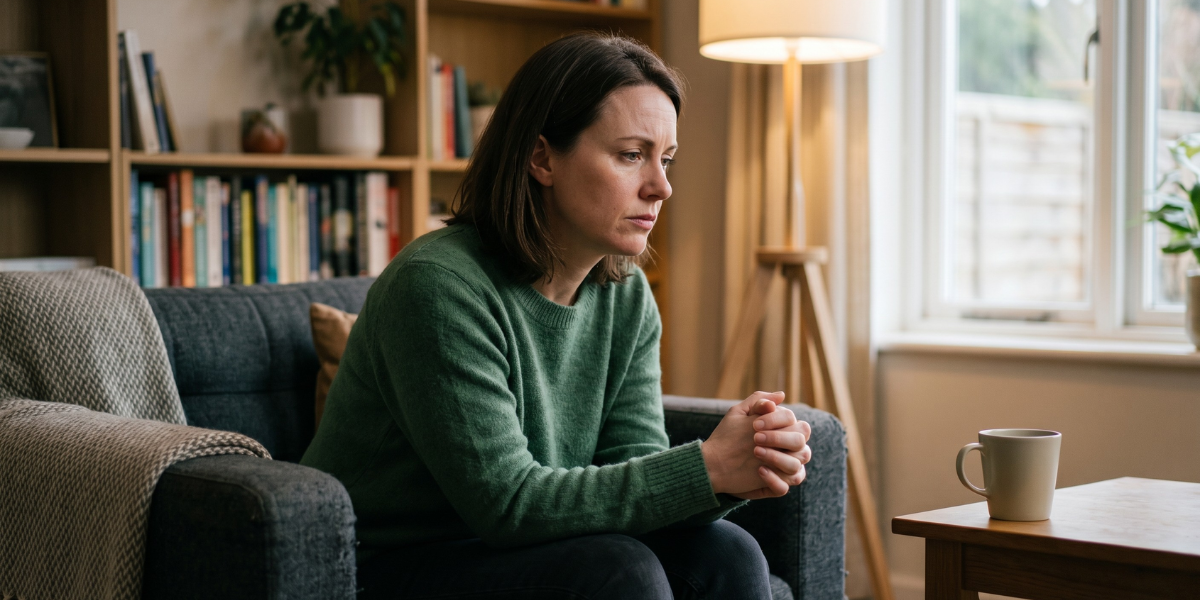
Silent anxiety refers to a form of anxiety that is not easily visible to others. Unlike severe panic attacks or obvious nervous behavior, silent anxiety happens internally.
People with silent anxiety may:
- Appear calm on the outside
- Struggle internally with overthinking
- Feel constant mental pressure
- Hide their emotional distress
Because of this hidden nature, silent anxiety symptoms in adults often go unnoticed for long periods.
Why Silent Anxiety Goes Unnoticed
There are several reasons why silent anxiety is difficult to detect.
- People learn to hide their emotions
- High-functioning individuals appear “normal”
- Symptoms are mostly internal
- Society often misunderstands mental health
As a result, many individuals do not realize they are experiencing anxiety.
Emotional Silent Anxiety Symptoms in Adults
Emotional symptoms are often the strongest indicators.
1. Constant Overthinking
One of the most common silent anxiety symptoms in adults is overthinking everything.
- Replaying conversations
- Worrying about future outcomes
- Overanalyzing small situations
2. Inner Fear Without Reason
People may feel:
- A constant sense of danger
- Uneasy feelings without clear cause
- Fear of things going wrong
3. Emotional Exhaustion
Even without physical activity, anxiety can cause:
- Mental fatigue
- Emotional burnout
- Feeling drained all the time
4. Irritability
Small things may feel overwhelming, leading to:
- Short temper
- Frustration
- Emotional sensitivity
Behavioral Silent Anxiety Symptoms in Adults
Behavior often changes subtly in silent anxiety.
1. Avoiding Social Situations
- Canceling plans
- Avoiding conversations
- Preferring isolation
2. Over-Preparation
People may over-prepare for everything:
- Rechecking tasks repeatedly
- Fear of making mistakes
- Excessive planning
3. Perfectionism
Silent anxiety often shows through perfectionist behavior:
- Fear of failure
- Setting unrealistic standards
- Overworking tasks
Physical Silent Anxiety Symptoms in Adults
Even if anxiety is hidden emotionally, the body shows signs.
1. Muscle Tension
- Tight shoulders
- Jaw clenching
- Body stiffness
2. Sleep Problems
- Difficulty falling asleep
- Waking up frequently
- Restless sleep
3. Fatigue
Even after rest, individuals may feel:
- Low energy
- Weakness
- Mental tiredness
4. Heart-Related Sensations
- Fast heartbeat
- Chest tightness
- Restlessness in body
Silent Anxiety vs Normal Stress
It is important to understand the difference.
Normal Stress:
- Temporary
- Linked to specific events
- Easier to resolve
Silent Anxiety:
- Persistent
- Internal and ongoing
- Affects daily thinking patterns
Causes of Silent Anxiety Symptoms in Adults
There is no single cause, but several factors contribute.
- Chronic stress
- Childhood experiences
- Trauma
- High-pressure lifestyle
- Overthinking patterns
- Low self-esteem
These factors gradually build up internal anxiety.
How Silent Anxiety Affects Daily Life
Even if not visible, silent anxiety can deeply impact life.
Work Performance
- Difficulty concentrating
- Fear of mistakes
- Reduced productivity
Relationships
- Emotional distance
- Miscommunication
- Avoidance of social connection
Personal Well-being
- Constant mental pressure
- Loss of peace
- Emotional instability
Why People Don’t Realize They Have Silent Anxiety
Many adults normalize their symptoms:
- “I’m just overthinking”
- “I’m just tired”
- “This is normal stress”
Because symptoms are internal, they often go untreated.
How to Manage Silent Anxiety Symptoms in Adults
There are effective ways to manage symptoms.
1. Mindfulness Practices
- Deep breathing
- Meditation
- Grounding exercises
2. Journaling Thoughts
Writing helps reduce mental pressure and clarify emotions.
3. Reduce Overthinking Triggers
- Limit social media
- Avoid unnecessary stress
- Set boundaries
4. Healthy Routine
- Proper sleep
- Balanced diet
- Physical activity
Role of Therapy in Silent Anxiety
Therapy is one of the most effective treatments.
A therapist can help you:
- Identify hidden anxiety patterns
- Reduce overthinking
- Build coping strategies
- Improve emotional awareness
When to Seek Help
You should consider professional help if:
- Anxiety affects daily life
- You feel mentally exhausted
- Overthinking is constant
- Sleep is disturbed
Early support improves recovery.
Final Thoughts
Silent anxiety symptoms in adults are often hidden but deeply impactful. Just because anxiety is not visible does not mean it is not real.
Understanding these subtle signs can help individuals seek timely support and improve their mental well-being. With awareness, lifestyle changes, and professional help, silent anxiety can be effectively managed.