Understanding Psychiatric Medication Management
Mental health treatment often involves multiple approaches designed to support emotional stability and improve daily functioning. One of the most important components of modern psychiatric care is psychiatric medication management, a structured process in which a licensed psychiatrist carefully evaluates, prescribes, and monitors medications used to treat mental health conditions.
Psychiatric medications can significantly improve symptoms of disorders such as anxiety, depression, bipolar disorder, ADHD, and post-traumatic stress disorder. However, these medications require professional oversight to ensure they are safe, effective, and properly adjusted over time. Psychiatric medication management focuses on providing personalized treatment while minimizing potential side effects and ensuring that medications continue to support the patient’s long-term mental health goals.
At New Hope Behavioral Health, medication management is an essential part of comprehensive psychiatric care. Each patient receives individualized attention to ensure that medication treatment aligns with their symptoms, medical history, and lifestyle.
Why Medication Management Is Important in Mental Health Care
Mental health medications affect the brain’s chemical balance, which plays a major role in mood, behavior, and emotional regulation. While these medications can be highly effective, they are not a one-size-fits-all solution. Each individual responds differently, and finding the right medication or dosage often requires careful monitoring.
This is where psychiatric medication management becomes essential. Instead of simply prescribing medication and sending patients home, psychiatrists track progress, evaluate effectiveness, and make adjustments when necessary. This ongoing supervision helps prevent complications and ensures that treatment remains aligned with the patient’s evolving needs.
Medication management also helps patients better understand their treatment. Many individuals have concerns about taking psychiatric medications, including fears about side effects or long-term dependency. Regular appointments provide opportunities to discuss these concerns openly and receive professional guidance.
Conditions Commonly Treated Through Medication Management
Psychiatric medication management is commonly used to treat a wide range of mental health conditions. Many individuals seek psychiatric support when symptoms begin to interfere with daily life, relationships, or work performance.
One of the most common conditions treated through medication management is anxiety disorder. Individuals experiencing constant worry, panic attacks, or excessive stress may benefit from medications that stabilize mood and reduce physical symptoms of anxiety. Depression is another condition frequently treated with medication management, especially when persistent sadness, low motivation, or emotional fatigue significantly affect daily functioning.
Mood disorders such as bipolar disorder often require long-term medication monitoring to maintain emotional balance and prevent episodes of mania or depression. Attention-deficit hyperactivity disorder, commonly known as ADHD, is another condition where medication management plays an important role in improving concentration and impulse control.
Post-traumatic stress disorder, obsessive-compulsive disorder, and sleep disorders may also benefit from structured psychiatric medication management under professional supervision.
What Happens During a Medication Management Appointment
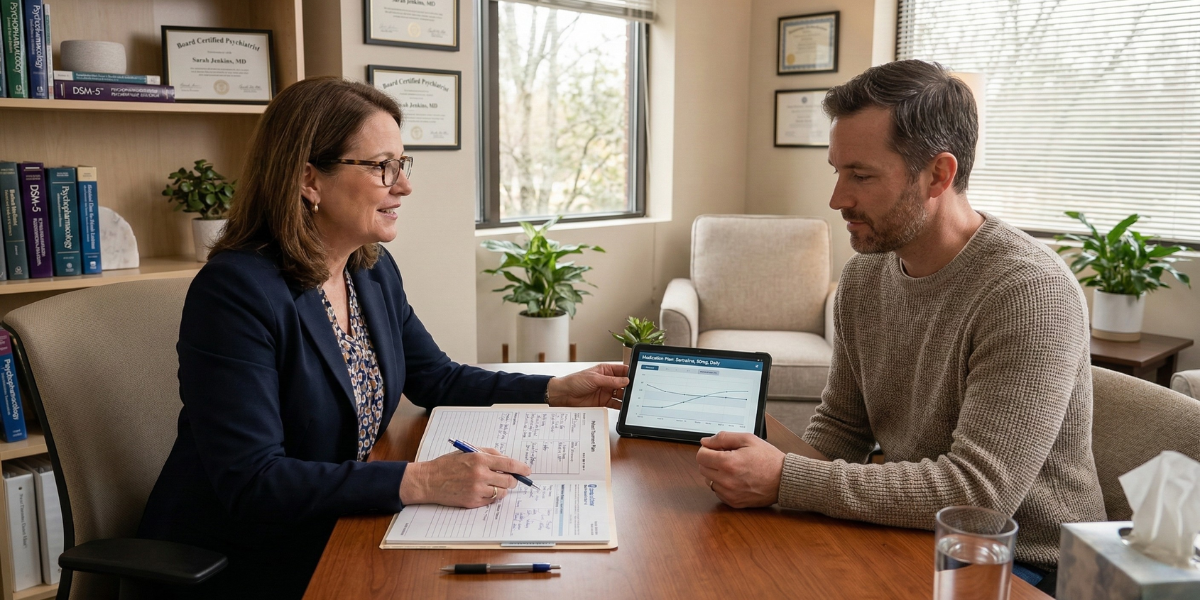
The medication management process usually begins with a comprehensive psychiatric evaluation. During this appointment, the psychiatrist gathers detailed information about the patient’s symptoms, medical history, lifestyle habits, and previous treatments. Understanding the full picture allows the psychiatrist to determine whether medication may be beneficial.
If medication is recommended, the psychiatrist explains the purpose of the medication, how it works, possible side effects, and what improvements the patient may expect. Patients are encouraged to ask questions and share any concerns before starting treatment.
Follow-up appointments are a key part of psychiatric medication management. These visits allow the psychiatrist to evaluate how the medication is working and determine whether adjustments are needed. Sometimes the dosage may be modified, a different medication may be introduced, or additional supportive therapies may be recommended.
Over time, medication management appointments help ensure that treatment continues to produce positive results without causing unwanted side effects.
The Role of Monitoring and Adjustments
Psychiatric medications often require adjustments during the early stages of treatment. The brain may take several weeks to respond fully to certain medications, and some individuals may experience mild side effects before their body adapts. Continuous monitoring allows psychiatrists to respond quickly if concerns arise.
Psychiatric medication management focuses on finding the optimal balance between symptom relief and patient comfort. If a medication causes unwanted side effects, the psychiatrist can modify the dosage or recommend an alternative option. This careful supervision helps patients remain confident in their treatment plan.
Regular monitoring also helps prevent medication interactions, especially for individuals taking medications for other health conditions. Psychiatrists review the full medication list to ensure that treatments remain safe and compatible.
Medication Management and Therapy: A Combined Approach
While medication management can significantly improve symptoms, many patients benefit from combining medication with psychotherapy. Therapy helps individuals develop coping skills, process emotional experiences, and build healthier thought patterns.
Psychiatrists often collaborate with therapists or recommend counseling alongside psychiatric medication management. This integrated approach addresses both the biological and psychological aspects of mental health conditions, leading to more sustainable long-term improvement.
Patients who receive both medication management and therapy frequently experience greater stability, improved resilience, and stronger emotional awareness.
Online Psychiatric Medication Management
Advancements in telehealth technology have made it easier for patients to access psychiatric care from the comfort of their homes. Many mental health clinics now offer virtual appointments for psychiatric medication management, allowing patients to consult with licensed psychiatrists through secure video platforms.
Online medication management provides the same level of professional care while offering greater convenience and flexibility. Patients who have busy schedules, transportation challenges, or privacy concerns may find telepsychiatry particularly beneficial.
Virtual medication management appointments allow psychiatrists to review symptoms, evaluate medication effectiveness, and make adjustments just as they would during in-person visits.
Benefits of Professional Medication Management
Receiving structured psychiatric medication management provides several long-term benefits. One of the most important advantages is personalized treatment. Rather than relying on generalized recommendations, psychiatrists tailor medication plans to each individual’s symptoms and health history.
Another benefit is ongoing supervision. Mental health symptoms can change over time, and regular follow-up appointments ensure that medications continue to support the patient’s needs. This consistent monitoring improves safety and increases the likelihood of successful outcomes.
Medication management also empowers patients through education. Understanding how medications work helps reduce fear and stigma surrounding psychiatric treatment. When patients feel informed and supported, they are more likely to remain engaged in their care.
When to Consider Psychiatric Medication Management
Many individuals wonder whether their symptoms require medication or if lifestyle changes alone will be sufficient. While mild stress may improve with relaxation techniques, persistent or severe symptoms often benefit from professional evaluation.
If anxiety, depression, mood instability, or difficulty concentrating begins interfering with work, relationships, or daily functioning, psychiatric consultation may be helpful. Medication management can provide stability while other therapeutic strategies address underlying challenges.
Seeking help early often prevents symptoms from becoming more severe. Mental health conditions are highly treatable, and structured psychiatric care can significantly improve quality of life.
Finding the Right Psychiatric Provider
Choosing the right mental health provider plays an important role in successful treatment. Patients should look for licensed psychiatrists who offer comprehensive evaluations, clear communication, and ongoing follow-up care. A supportive and collaborative approach encourages patients to participate actively in their treatment decisions.
At New Hope Behavioral Health, psychiatric medication management services focus on patient-centered care, ensuring that every individual receives compassionate support and evidence-based treatment. The goal is not only to reduce symptoms but also to help patients regain confidence, stability, and overall well-being.
Taking the First Step Toward Better Mental Health
Psychiatric medication management is a powerful tool in modern mental health treatment. With proper evaluation, careful monitoring, and personalized adjustments, medications can help individuals regain emotional balance and improve daily functioning.
If you or someone you care about is experiencing persistent mental health symptoms, professional psychiatric evaluation may provide the answers and support needed for recovery. With the right guidance and treatment plan, many individuals experience meaningful improvement and renewed hope for the future.