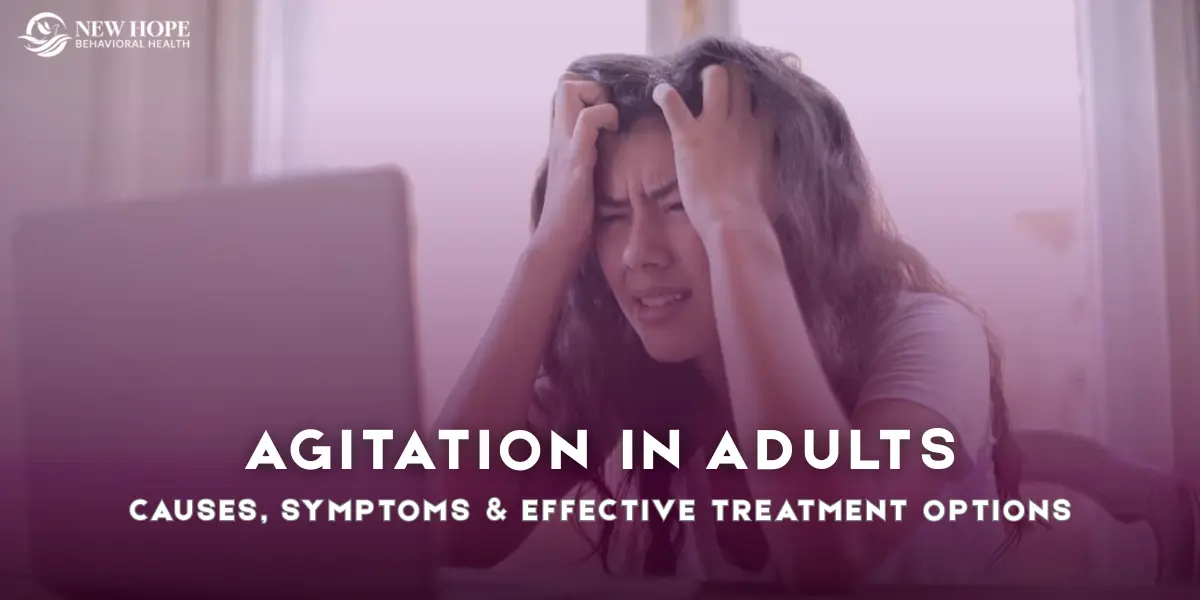
Feeling restless from time to time is a normal part of life. Stress, lack of sleep, or an emotionally difficult day can leave anyone feeling unsettled. However, when that restlessness becomes intense, persistent, or difficult to control, it may signal something more significant. Agitation in Adults can affect emotional well-being, relationships, physical health, and overall quality of life. Recognizing the early signs is the first step toward finding the right support.
Agitation in Adults is not a condition on its own but a symptom that may be linked to mental health disorders, medical conditions, medication side effects, or environmental stressors. While some people experience occasional episodes, others struggle with ongoing agitation that interferes with daily activities and emotional stability.
Understanding Agitation in Adults allows individuals and families to recognize when temporary frustration has crossed into a more serious concern. With proper evaluation and evidence-based care, many people experience significant improvement and regain control over their lives.
If you or someone close to you is experiencing Agitation in Adults frequently, knowing the possible causes, symptoms, and treatment options can make all the difference. Early intervention often leads to better outcomes and a healthier, more balanced future.
What Is Agitation in Adults?
Agitation in Adults refers to a state of heightened emotional or physical restlessness that often involves irritability, anxiety, tension, or an inability to remain calm. Some people feel constantly “on edge,” while others become easily frustrated or emotionally overwhelmed without an obvious reason.
Agitation can range from mild uneasiness to severe behavioral disturbances. In some situations, it develops suddenly during a stressful event. In others, it gradually worsens over weeks or months due to an underlying mental health or medical condition.
Although occasional agitation is common, persistent or intense symptoms deserve professional attention because they may indicate an underlying issue requiring treatment.
Common Causes of Agitation in Adults
Understanding what triggers agitation helps healthcare providers identify the most appropriate treatment plan.
Mental Health Conditions
Mental health disorders are among the most common causes of Agitation in Adults. These include:
- Anxiety disorders
- Major depressive disorder
- Bipolar disorder
- Post-traumatic stress disorder (PTSD)
- Schizophrenia
- Personality disorders
- Panic disorder
These conditions often affect emotional regulation, making it difficult to cope with stress or everyday challenges.
Medical Conditions
Physical illnesses can also contribute to agitation, including:
- Thyroid disorders
- Chronic pain
- Infections
- Neurological disorders
- Dementia
- Parkinson’s disease
- Alzheimer’s disease
- Brain injuries
In many cases, treating the underlying medical condition significantly reduces agitation.
Medication Side Effects
Certain medications may increase restlessness or irritability, including:
- Steroids
- Some antidepressants
- Stimulants
- Certain asthma medications
- Medication withdrawal
Healthcare providers should always review medications when new symptoms develop.
Substance Use or Withdrawal
Alcohol, recreational drugs, and withdrawal from certain substances can trigger significant emotional instability. Withdrawal from alcohol or sedatives may even become a medical emergency requiring immediate treatment.
Sleep Deprivation
Poor sleep affects emotional regulation and increases stress hormones. Even a few nights of inadequate sleep can lead to noticeable irritability and restlessness.
High Levels of Stress
Major life events, financial difficulties, work pressure, grief, relationship problems, or caregiving responsibilities can contribute to prolonged agitation.
Symptoms of Agitation in Adults
The symptoms vary depending on the underlying cause and individual circumstances.
Emotional Symptoms
People experiencing Agitation in Adults may notice:
- Persistent irritability
- Feeling overwhelmed
- Anxiety
- Emotional tension
- Frustration
- Difficulty relaxing
- Increased sensitivity
- Mood swings
Physical Symptoms
Physical signs often include:
- Pacing
- Fidgeting
- Clenched fists
- Muscle tension
- Rapid breathing
- Increased heart rate
- Sweating
- Restlessness
Behavioral Symptoms
Behavioral changes may involve:
- Difficulty sitting still
- Impulsive decisions
- Raised voice
- Angry outbursts
- Trouble concentrating
- Difficulty completing tasks
- Social withdrawal
- Increased conflict with others
Risk Factors
Several factors increase the likelihood of developing Agitation in Adults, including:
- Family history of mental illness
- Previous traumatic experiences
- Chronic stress
- Sleep disorders
- Substance misuse
- Neurological disorders
- Advanced age with cognitive decline
- Multiple chronic medical conditions
Having one or more risk factors does not guarantee someone will develop agitation, but it may increase vulnerability.
When Is Agitation a Medical Emergency?
Although many cases can be managed through outpatient care, some situations require immediate medical attention.
Seek emergency care if agitation is accompanied by:
- Violent behavior
- Threats of self-harm
- Thoughts of suicide
- Hallucinations
- Severe confusion
- Loss of awareness
- Inability to recognize familiar people
- Extreme aggression
Prompt medical evaluation can protect both the affected individual and those around them.
How Healthcare Providers Diagnose Agitation in Adults
Diagnosing Agitation in Adults involves identifying the root cause rather than simply treating the symptom.
A comprehensive evaluation may include:
Medical History
The provider reviews:
- Current symptoms
- Previous medical conditions
- Mental health history
- Medication use
- Substance use
- Family medical history
Physical Examination
A complete physical exam helps identify possible medical contributors.
Mental Health Assessment
Mental health professionals assess:
- Mood
- Thought patterns
- Anxiety levels
- Cognitive function
- Behavioral changes
Laboratory Testing
Blood work may evaluate:
- Thyroid function
- Electrolyte imbalance
- Vitamin deficiencies
- Infection
- Drug levels
Additional imaging or neurological testing may be recommended when appropriate.
Treatment Options for Agitation in Adults
mains one of the most successful long-term treatments for Agitation in Adults.
Evidence-based approaches include:
Cognitive Behavioral Therapy (CBT)
CBT helps individuals recognize unhealthy thinking patterns and replace them with healthier coping strategies.
Trauma-Focused Therapy
When past trauma contributes to agitation, trauma-informed care can significantly improve emotional regulation.
Stress Management Therapy
Learning healthier responses to stress reduces emotional overload and improves resilience.
Medication
Healthcare providers may prescribe medication when clinically appropriate.
Depending on the diagnosis, treatment may include:
- Anti-anxiety medications
- Antidepressants
- Mood stabilizers
- Antipsychotic medications
Medication should always be taken under medical supervision.
Lifestyle Changes
Healthy daily habits often improve treatment outcomes.
Helpful lifestyle strategies include:
- Regular physical activity
- Consistent sleep schedule
- Balanced nutrition
- Reduced caffeine intake
- Limiting alcohol
- Mindfulness practices
- Relaxation exercises
Small changes practiced consistently often produce meaningful improvements.
Coping Strategies for Daily Life
Managing Agitation in Adults often requires a combination of professional care and daily self-care.
Helpful techniques include:
Identify Triggers
Keeping track of situations that increase agitation helps develop healthier coping strategies.
Practice Deep Breathing
Slow breathing activates the body’s relaxation response and reduces physical tension.
Stay Physically Active
Exercise naturally improves mood while lowering stress hormones.
Build Healthy Routines
Predictable routines reduce uncertainty and emotional overload.
Stay Connected
Talking with trusted family members or supportive friends helps reduce feelings of isolation.
Limit Overstimulation
Reducing excessive noise, screen time, and stressful environments may decrease agitation.
How Family Members Can Help
Supporting someone experiencing Agitation in Adults requires patience and understanding.
Family members can help by:
- Listening without judgment
- Speaking calmly
- Avoiding arguments during emotional moments
- Encouraging professional treatment
- Learning about mental health conditions
- Helping maintain healthy routines
- Recognizing early warning signs
Compassionate support often improves treatment success.
Long-Term Outlook
The outlook for Agitation in Adults depends largely on identifying and treating its underlying cause.
Many people experience significant improvement through therapy, medication, lifestyle changes, or a combination of these approaches. Early intervention often prevents symptoms from becoming more severe and helps restore emotional stability.
Even individuals with chronic mental health conditions can lead productive, fulfilling lives when they receive consistent care and appropriate support.
When Should You See a Mental Health Professional?
You should consider scheduling an evaluation if Agitation in Adults:
- Occurs frequently
- Lasts for several days or longer
- Interferes with work or relationships
- Causes emotional distress
- Leads to aggressive behavior
- Is accompanied by depression or anxiety
- Continues despite self-care efforts
Receiving professional support early can improve both short-term recovery and long-term emotional health.
Compassionate Mental Health Care at New Hope Behavioral Health
At New Hope Behavioral Health, we understand that emotional distress can feel overwhelming, especially when persistent restlessness, irritability, or tension begins affecting everyday life. Our experienced mental health professionals provide comprehensive evaluations to identify the underlying causes of Agitation in Adults and create personalized treatment plans based on each individual’s unique needs.
Whether symptoms are connected to anxiety, depression, trauma, mood disorders, or another condition, our team offers evidence-based therapies and compassionate support designed to promote lasting emotional wellness. You do not have to face these challenges alone. Seeking help is a positive step toward regaining stability, confidence, and peace of mind.