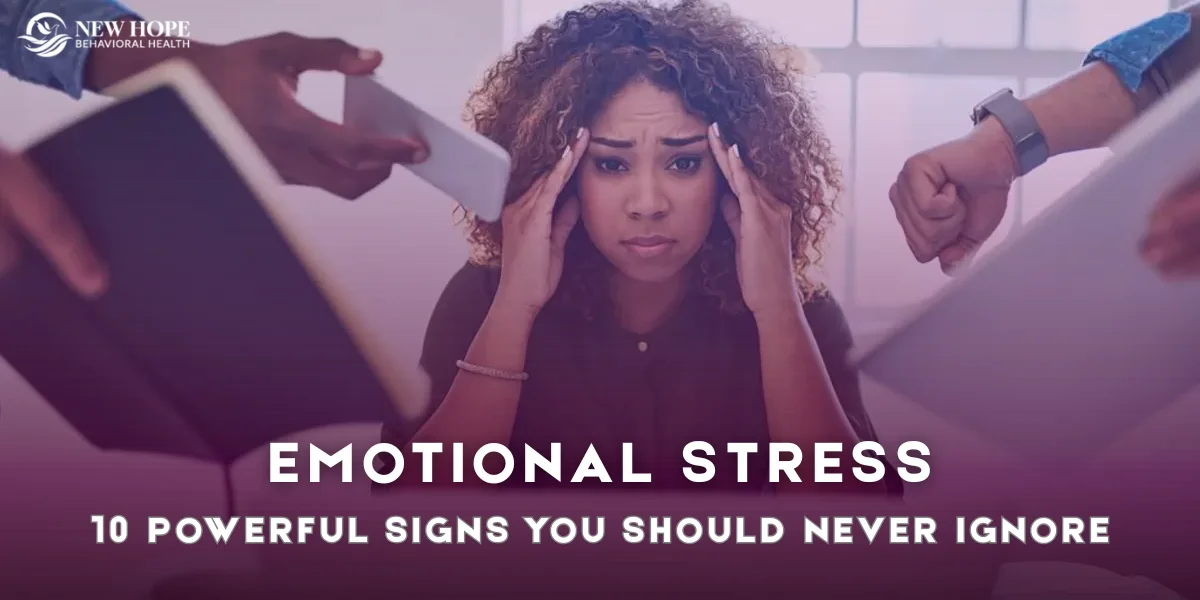
Life has a way of placing unexpected demands on us. Work responsibilities, family obligations, financial worries, relationship struggles, and major life changes can quietly build into emotional stress before we even recognize it. While emotional stress is a normal part of life, ignoring emotional stress for too long can affect both your mental and physical well-being. Learning to recognize emotional stress early gives you the opportunity to make healthy changes before it becomes overwhelming. If emotional stress has become a constant part of your daily life, understanding the warning signs is the first step toward feeling better.
Why Emotional Stress Should Never Be Ignored
Everyone experiences stress differently. Some people become anxious and restless, while others withdraw from family and friends. What starts as a temporary response to life’s challenges can gradually become chronic if left unmanaged.
Persistent emotional stress doesn’t simply affect your mood. It can influence your sleep, immune system, concentration, relationships, work performance, and even your physical health. Over time, unmanaged stress may increase the risk of anxiety disorders, depression, burnout, and other behavioral health concerns.
The encouraging news is that recognizing the early warning signs allows you to take action before stress begins controlling your life.
1. You Feel Constantly Overwhelmed
One of the earliest indicators of emotional stress is the persistent feeling that everything is simply too much.
Tasks that once felt manageable suddenly seem impossible. Even minor inconveniences may leave you feeling exhausted or frustrated. You may find yourself thinking, “I just can’t keep up anymore.”
This sense of being overwhelmed often develops gradually. It isn’t necessarily caused by one major event but rather the accumulation of many smaller pressures over time.
If every day feels like climbing a mountain, your mind may be signaling that it needs support.
2. Your Sleep Patterns Change
Healthy sleep is one of the first things affected when emotional stress begins taking a toll.
Some people struggle to fall asleep because their minds won’t stop racing. Others wake repeatedly during the night or rise hours before their alarm feeling anxious. On the opposite end, some individuals begin sleeping much longer than usual but never feel rested.
Poor sleep and stress often create a difficult cycle. Lack of quality rest increases emotional sensitivity, making stressful situations feel even harder to manage.
If sleep problems continue for several weeks, they deserve attention rather than dismissal.
3. You Lose Interest in Things You Once Enjoyed
Everyone occasionally needs a break from hobbies or social activities. However, if activities that once brought joy suddenly feel meaningless, stress may be affecting your emotional health.
Perhaps you no longer look forward to spending time with friends. Maybe reading, exercising, gardening, or listening to music no longer feels enjoyable.
This gradual withdrawal can happen because emotional stress consumes so much mental energy that very little remains for pleasure or relaxation.
Recognizing this shift early can help prevent deeper emotional difficulties.
4. You Become Irritable Over Small Things
Have you noticed yourself snapping at loved ones over minor issues?
Many people experiencing emotional stress become unusually impatient. Everyday inconveniences like traffic, misplaced keys, slow internet, or small misunderstandings suddenly trigger intense frustration.
This isn’t a sign of being a bad person. Instead, it often reflects an already overloaded nervous system struggling to cope with additional demands.
If irritability becomes your new normal, it’s worth exploring what’s happening beneath the surface.
5. Physical Symptoms Begin Appearing Without a Clear Cause
The connection between the mind and body is remarkably strong.
When emotional stress remains unresolved, it frequently appears through physical symptoms such as:
- Frequent headaches
- Muscle tension
- Neck or shoulder pain
- Digestive discomfort
- Fatigue
- Rapid heartbeat
- Changes in appetite
Medical evaluation is always important for persistent physical symptoms. However, when no clear medical explanation is found, emotional health deserves equal consideration.
Your body often communicates what your mind has been trying to tell you.

6. You Have Difficulty Concentrating
Stress doesn’t only affect emotions. It also impacts cognitive function.
People experiencing prolonged emotional stress often report:
- Forgetting appointments
- Losing track of conversations
- Difficulty making decisions
- Trouble focusing during meetings
- Reading the same paragraph repeatedly
When the brain is constantly occupied with worry or emotional overload, there are fewer mental resources available for concentration and memory.
This can affect academic performance, workplace productivity, and everyday responsibilities.
7. You Feel Emotionally Drained Every Day
Feeling tired after a busy week is perfectly normal.
Feeling emotionally exhausted every single day is different.
With ongoing emotional stress, many individuals describe waking up already depleted. Even after a weekend or vacation, they continue feeling mentally worn out.
Simple conversations may require tremendous effort. Small responsibilities seem heavier than they once did.
This kind of exhaustion isn’t laziness. It’s often a sign that your emotional reserves have been running on empty for far too long.
8. You Start Avoiding People or Responsibilities
Stress sometimes encourages isolation.
Instead of attending family gatherings, answering messages, or meeting friends, you may begin canceling plans because interacting with others feels overwhelming.
Likewise, responsibilities that once seemed routine may suddenly feel impossible to face.
While occasional solitude can be healthy, persistent withdrawal fueled by emotional stress may indicate that additional support is needed.
Human connection often plays an important role in recovery, even when isolation feels easier.
9. You Worry Constantly About the Future
Planning ahead is healthy.
Constant worry that never seems to stop is something different.
If your mind continually imagines worst-case scenarios, replays past mistakes, or struggles to enjoy the present moment, emotional stress may be contributing to excessive worry.
Questions begin looping endlessly:
- What if I fail?
- What if something bad happens?
- What if I can’t handle tomorrow?
These repetitive thoughts can become mentally exhausting and make everyday life feel much more difficult than it truly is.
Learning healthy coping strategies can help interrupt these cycles.
10. You Feel Like You’re Simply Surviving Instead of Living
Perhaps the most powerful sign is difficult to describe.
Life starts feeling like something you endure instead of experience.
You continue working, caring for your family, and completing responsibilities, but happiness feels distant. Every day blends into the next. You rarely feel excited or hopeful.
Long-term emotional stress can slowly reduce your sense of purpose, motivation, and emotional connection to life.
You don’t have to wait until reaching complete burnout before asking for help.
Healthy Ways to Manage Emotional Stress
Recognizing the warning signs is important, but taking action is what creates meaningful change.
Some practical strategies include:
- Maintain a consistent sleep routine.
- Stay physically active through regular exercise.
- Practice mindfulness or deep breathing.
- Set realistic expectations instead of striving for perfection.
- Limit unnecessary commitments.
- Talk openly with trusted friends or family.
- Spend time outdoors whenever possible.
- Reduce excessive caffeine and alcohol consumption.
- Make time for hobbies that genuinely bring you peace.
- Seek professional behavioral health support when stress becomes persistent.
Small, consistent changes often produce greater long-term results than dramatic lifestyle overhauls.
When Is It Time to Seek Professional Help?
Everyone experiences difficult seasons.
However, if emotional stress begins interfering with your relationships, career, physical health, or daily functioning, professional guidance can make a significant difference.
Behavioral health professionals can help identify the underlying causes of stress while teaching practical coping skills tailored to your individual needs. Therapy also provides a safe, judgment-free space where you can process difficult emotions and develop healthier ways to respond to life’s challenges.
Seeking help isn’t a sign of weakness.
It’s a decision to invest in your long-term well-being.
Finding Support at New Hope Behavioral Health
You don’t have to navigate life’s challenges alone.
At New Hope Behavioral Health, compassionate mental health professionals understand that stress affects everyone differently. Whether you’re coping with workplace pressure, relationship challenges, anxiety, burnout, or overwhelming life transitions, personalized care can help you regain balance and confidence.
Early support often prevents stress from developing into more serious mental health conditions. With evidence-based therapy and individualized treatment, recovery is possible.