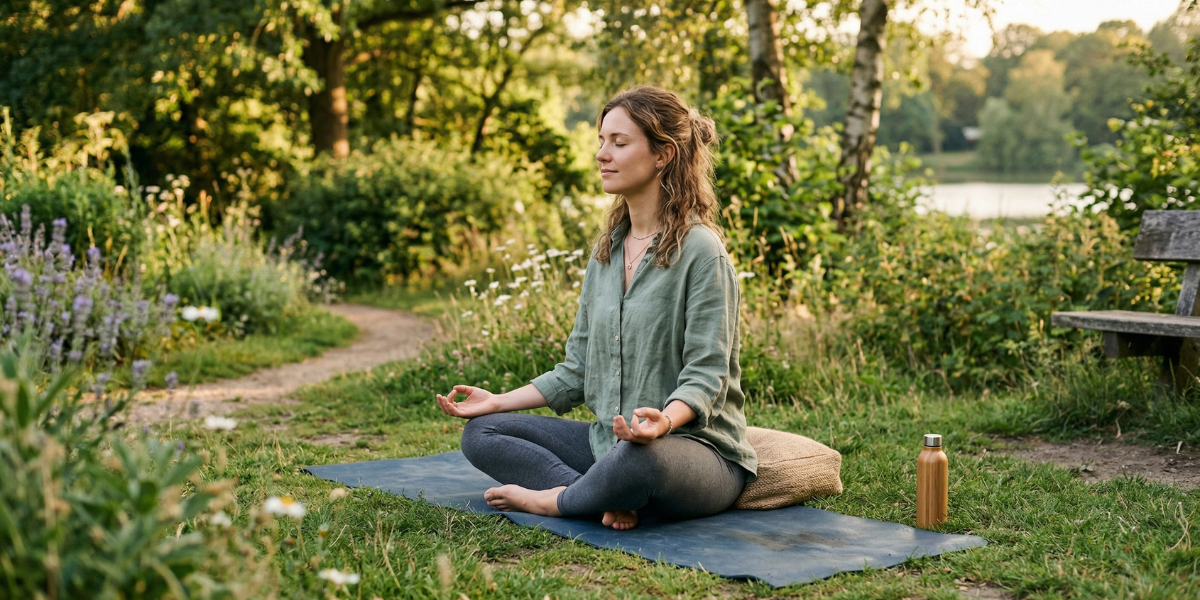
How to Reduce Emotional Stress Naturally
Emotional stress is a common part of modern life, but when it becomes overwhelming, it can affect your mental health, physical wellbeing, relationships, and daily productivity. Learning how to reduce emotional stress naturally is essential for maintaining balance and improving overall quality of life.
Unlike quick fixes, natural stress management focuses on sustainable habits that support long-term emotional resilience. This guide explores practical, science-backed strategies to help you manage stress in a healthy and effective way.
Understanding Emotional Stress
Emotional stress occurs when you feel overwhelmed by life’s challenges, responsibilities, or difficult emotions. It can develop due to work pressure, relationship issues, financial concerns, or major life changes.
Common symptoms include:
- Constant worry or anxiety
- Irritability or mood swings
- Difficulty concentrating
- Sleep disturbances
- Physical tension or fatigue
Recognizing these signs early can help you take action before stress worsens.
Why It’s Important to Reduce Emotional Stress Naturally
Chronic emotional stress can lead to:
- Anxiety and depression
- Burnout
- Weakened immune system
- Sleep problems
- Relationship conflicts
Choosing natural methods helps improve both mental and physical health without dependency on temporary solutions.
1. Practice Mindful Breathing
Mindful breathing is one of the simplest ways to reduce emotional stress naturally.
Try this:
- Inhale slowly for 4 seconds
- Hold for 4 seconds
- Exhale for 6 seconds
This technique calms the nervous system and reduces anxiety within minutes.
2. Stay Physically Active
Regular physical activity releases endorphins, which improve mood and reduce stress.
Helpful activities include:
- Walking
- Yoga
- Stretching
- Light exercise
Even 20-30 minutes daily can significantly lower emotional tension.
3. Maintain a Healthy Sleep Routine
Sleep and stress are closely connected. Poor sleep increases emotional sensitivity and reduces coping ability.
To improve sleep:
- Maintain a consistent schedule
- Avoid screens before bedtime
- Create a calm sleeping environment
Better sleep leads to better emotional control.
4. Practice Journaling
Writing down your thoughts helps release emotional pressure.
Journaling allows you to:
- Process difficult emotions
- Identify stress triggers
- Gain clarity on situations
It is a simple yet powerful tool for emotional healing.
5. Build Strong Social Connections
Talking to trusted friends or family members can reduce feelings of isolation.
Healthy social support:
- Provides emotional comfort
- Helps gain perspective
- Reduces stress intensity
Sharing your feelings is a natural way to lighten emotional burden.
6. Limit Exposure to Stress Triggers
Reducing unnecessary stressors can improve mental wellbeing.
This may include:
- Limiting negative news consumption
- Avoiding toxic environments
- Setting healthy boundaries
Protecting your mental space is essential for stress management.
7. Practice Mindfulness and Meditation
Mindfulness helps you stay present rather than overwhelmed by future worries.
Benefits include:
- Reduced anxiety
- Improved focus
- Better emotional regulation
Even 10 minutes of daily meditation can make a noticeable difference.
8. Eat a Balanced and Nutritious Diet
What you eat affects how you feel.
Foods that support stress reduction include:
- Fruits and vegetables
- Whole grains
- Healthy fats
- Hydration
Avoid excessive caffeine and processed foods that may increase stress levels.
9. Engage in Activities You Enjoy
Taking time for hobbies helps relax the mind.
Examples:
- Reading
- Listening to music
- Creative activities
- Spending time in nature
Enjoyable activities provide a mental break from stress.
10. Set Realistic Goals and Expectations
Unrealistic expectations often lead to stress and frustration.
To reduce pressure:
- Break tasks into smaller steps
- Prioritize important activities
- Accept that perfection is not necessary
Managing expectations helps reduce emotional overload.
11. Practice Self-Compassion
Being kind to yourself during stressful times is essential.
Self-compassion includes:
- Avoiding harsh self-criticism
- Accepting mistakes
- Recognizing your efforts
A positive inner dialogue supports emotional resilience.
12. Take Regular Breaks
Continuous work without rest increases stress levels.
Short breaks:
- Refresh the mind
- Improve productivity
- Reduce emotional fatigue
Even a few minutes of rest can help reset your energy.
When Natural Methods Are Not Enough
While natural techniques are effective, some individuals may need additional support.
Consider professional help if:
- Stress feels constant and overwhelming
- Symptoms interfere with daily life
- Anxiety or sadness increases over time
Therapy and counseling can provide structured support and deeper coping strategies.
Final Thoughts
Learning how to reduce emotional stress naturally empowers you to take control of your mental wellbeing. Small daily habits can create lasting change and improve emotional balance over time.
Consistency is key. By incorporating these strategies into your routine, you can build resilience, improve your mood, and live a healthier, more balanced life