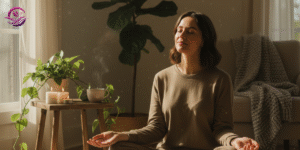
Anxiety and stress have become a normal part of modern life. From work pressure and financial responsibilities to relationship challenges and constant digital exposure, many people feel overwhelmed on a daily basis. While occasional stress is a natural response to life’s demands, chronic anxiety and unmanaged stress can negatively impact both mental and physical health.
Learning how to cope with anxiety and stress in daily life is essential for maintaining emotional balance, improving productivity, and protecting long-term well-being. The good news is that there are practical, evidence-based strategies that can help you manage stress and reduce anxiety naturally.
This blog explores effective ways to cope with anxiety and stress through lifestyle changes, mindset shifts, and healthy coping techniques you can apply every day.
Understanding Anxiety and Stress
Before learning how to cope with anxiety and stress, it’s important to understand the difference between the two.
Stress is a response to external pressures such as deadlines, workload, or personal challenges. It often disappears once the situation improves.
Anxiety, on the other hand, tends to persist even when there is no immediate threat. It may involve constant worry, fear, restlessness, racing thoughts, or physical symptoms like a rapid heartbeat or muscle tension.
When stress becomes ongoing, it can trigger anxiety. This is why managing daily stress plays a key role in reducing anxiety levels.
Why It’s Important to Cope With Anxiety and Stress
Ignoring stress and anxiety can lead to serious consequences over time, including:
- Sleep disturbances
- Digestive problems
- Headaches and muscle pain
- Weakened immune system
- Difficulty concentrating
- Mood swings or irritability
- Increased risk of depression
Learning to cope with anxiety and stress helps improve emotional regulation, enhances resilience, and supports overall mental health.
Identify Your Stress Triggers
One of the first steps to cope with anxiety and stress effectively is understanding what triggers them.
Common triggers include:
- Work overload or job insecurity
- Financial worries
- Relationship conflicts
- Health concerns
- Social pressure
- Lack of rest or poor sleep
Keeping a stress journal can help you identify patterns. Write down what situations increase your anxiety, how your body reacts, and how you respond emotionally. Awareness gives you control and helps you address the root causes rather than just the symptoms.
Practice Deep Breathing to Cope With Anxiety and Stress
Deep breathing is one of the simplest yet most powerful tools to calm the nervous system.
When anxiety strikes, breathing often becomes shallow and rapid, signaling danger to the brain. Slow, controlled breathing sends the opposite message, that you are safe.
Try this technique:
- Inhale slowly through your nose for 4 seconds
- Hold for 4 seconds
- Exhale gently through your mouth for 6 seconds
- Repeat for 5-10 minutes
Practicing deep breathing daily can significantly help you cope with anxiety and stress by lowering cortisol levels and relaxing the body.
Build a Consistent Daily Routine
Uncertainty and chaos can increase anxiety. A structured daily routine provides stability and predictability, which helps the mind feel safe.
Simple routines such as waking up at the same time, scheduling meals, planning work hours, and setting time for relaxation can reduce mental overload.
When your day has structure, it becomes easier to cope with anxiety and stress without feeling constantly overwhelmed.
Use Physical Activity as a Stress Release
Regular movement is one of the most effective ways to cope with anxiety and stress naturally.
Exercise helps by:
- Releasing endorphins (feel-good hormones)
- Reducing muscle tension
- Improving sleep quality
- Boosting self-confidence
You don’t need intense workouts. Activities like walking, stretching, yoga, swimming, or cycling for 20–30 minutes a day can make a noticeable difference in your mood and stress levels.
Improve Sleep to Manage Anxiety and Stress
Poor sleep and anxiety are closely connected. Lack of rest increases emotional sensitivity and reduces the ability to handle stress.
To improve sleep:
- Go to bed and wake up at consistent times
- Avoid screens at least one hour before sleep
- Limit caffeine late in the day
- Create a calm bedtime routine
Quality sleep strengthens your emotional resilience and makes it easier to cope with anxiety and stress throughout the day.
Practice Mindfulness and Stay Present
Anxiety often comes from worrying about the future, while stress is linked to feeling overwhelmed by responsibilities. Mindfulness helps bring your focus back to the present moment.
Mindfulness practices include:
- Meditation
- Body scanning
- Mindful breathing
- Paying attention to daily activities
Even 10 minutes of mindfulness a day can help quiet racing thoughts and improve your ability to cope with anxiety and stress.
Set Healthy Boundaries
Many people struggle with anxiety because they take on too much responsibility or feel guilty saying no.
Setting boundaries means:
- Limiting overwork
- Protecting personal time
- Saying no without guilt
- Reducing exposure to negative influences
Healthy boundaries reduce emotional exhaustion and allow you to cope with anxiety and stress in a sustainable way.
Manage Negative Thoughts
Anxiety often involves repetitive negative thinking, such as expecting the worst or overanalyzing situations.
To cope with anxiety and stress caused by negative thoughts:
- Challenge unrealistic fears
- Replace self-criticism with self-compassion
- Focus on facts rather than assumptions
- Practice positive self-talk
Writing down anxious thoughts and questioning their accuracy can help reduce their intensity.
Stay Connected With Supportive People
Human connection plays a major role in emotional well-being. Isolation can increase anxiety and stress, while supportive relationships provide comfort and reassurance.
Make time for:
- Friends and family
- Meaningful conversations
- Support groups
- Social activities
Talking about your feelings helps you cope with anxiety and stress instead of carrying the burden alone.
Limit Digital Overload and News Consumption
Constant exposure to social media, emails, and negative news can overstimulate the brain and increase anxiety.
To reduce stress:
- Set screen time limits
- Take regular digital breaks
- Avoid doom-scrolling
- Disconnect before bedtime
Reducing digital overload creates mental space and improves your ability to cope with anxiety and stress daily.
Eat a Balanced Diet for Mental Stability
What you eat affects how you feel. Nutrient-poor diets can worsen mood swings and anxiety.
To support emotional balance:
- Eat regular meals
- Include fruits, vegetables, and whole grains
- Stay hydrated
- Limit excessive sugar and caffeine
Balanced nutrition supports brain function and helps regulate stress hormones.
Practice Self-Compassion
Many people are harder on themselves than they would ever be on others. Self-criticism increases anxiety and stress.
Practicing self-compassion means:
- Accepting imperfections
- Being patient with yourself
- Celebrating small wins
- Letting go of unrealistic expectations
Kindness toward yourself strengthens emotional resilience and helps you cope with anxiety and stress more effectively.
When to Seek Professional Support
While self-help strategies are powerful, persistent anxiety or overwhelming stress may require professional care.
Consider seeking help if:
- Anxiety interferes with daily life
- Stress feels unmanageable
- You experience panic attacks
- Symptoms last for months
Therapy and professional guidance can provide personalized tools to cope with anxiety and stress safely and effectively.
Final Thoughts
Learning how to cope with anxiety and stress in daily life is a skill that takes time and practice. By making small but consistent changes, such as improving sleep, staying active, managing thoughts, and building emotional awareness, you can regain control over your mental well-being.
Anxiety and stress do not define you. With the right strategies and support, it is possible to live a balanced, calmer, and more fulfilling life.