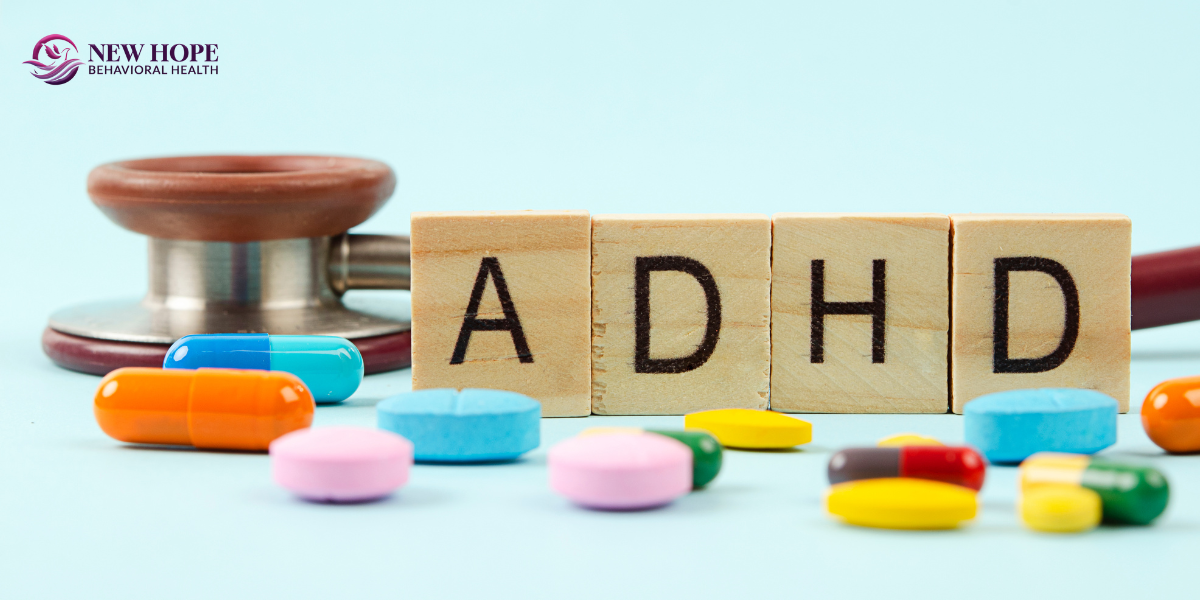
Understanding the early signs of ADHD is essential for getting the right support at the right time. ADHD (Attention-Deficit/Hyperactivity Disorder) affects both children and adults, but the symptoms often look different in each age group. Many people mistake ADHD behaviors for personality traits like being “too energetic,” “forgetful,” or “lazy,” which delays diagnosis and treatment.
In this blog, you’ll learn the 10 most common early signs of ADHD, how they show up in kids vs adults, and why recognizing these symptoms early can improve daily functioning, relationships, and emotional wellbeing.
1. Difficulty Paying Attention and Staying Focused
One of the most well-known early signs of ADHD is trouble staying focused.
In Children:
- Gets easily distracted in class
- Has trouble completing homework
- Switches between activities without finishing
In Adults:
- Difficulty concentrating during meetings
- Mind wanders during conversations
- Struggles to finish tasks or follow instructions
Why It Matters:
Attention issues can affect school performance, job productivity, and relationships if not addressed early.
2. Forgetfulness in Daily Tasks
People with ADHD often forget small but important responsibilities.
Signs in Children:
- Frequently loses pencils, books, toys
- Forgets to bring homework
- Needs constant reminders
Signs in Adults:
- Misplaces keys, phones, documents
- Forgets appointments or deadlines
- Starts tasks and forgets to finish them
Why It Matters:
Forgetfulness can be mistaken for irresponsibility, leading to stress and conflict at home or work.
3. Hyperactivity and Restlessness
Hyperactivity is one of the most visible early signs of ADHD in children, but adults experience it differently.
Children:
- Constantly moving, running, or climbing
- Struggles to sit still
- Fidgeting or tapping nonstop
Adults:
- Feeling “on edge”
- Restless legs
- Difficulty relaxing or sitting calmly
- Always needing to stay busy
Why It Matters:
Hyperactivity affects learning, sleep, and emotional regulation.
4. Impulsive Behavior
Impulsivity means acting without thinking of the consequences.
In Kids:
- Interrupts others
- Blurts out answers
- Struggles to wait their turn
In Adults:
- Impulsive spending
- Saying things without thinking
- Making fast decisions without planning
Why It Matters:
Impulsivity can affect safety, financial stability, and relationships.
5. Difficulty Organizing Tasks
Another key early sign of ADHD is poor organization.
Kids:
- Messy backpacks and rooms
- Difficulty starting structured tasks
- Struggles to follow a routine
Adults:
- Disorganized workspace
- Trouble prioritizing tasks
- Often feels overwhelmed by planning
Why It Matters:
Organization challenges can lead to work delays, academic struggles, and daily frustration.
6. Emotional Sensitivity and Mood Swings
ADHD affects emotions, not just focus.
Children:
- Quick emotional reactions
- Meltdowns during minor challenges
- Trouble handling changes
Adults:
- Irritability
- Feeling overwhelmed easily
- Difficulty managing stress
- Sensitivity to criticism
Why It Matters:
Emotional dysregulation is one of the most overlooked ADHD symptoms.
7. Trouble Completing Tasks
People with ADHD often start multiple tasks but finish none.
Kids:
- Leaves homework unfinished
- Gets bored midway
- Needs frequent prompting
Adults:
- Unfinished projects
- Procrastination
- Difficulty meeting deadlines
Why It Matters:
In adults, this can cause professional and financial issues if ignored.
8. Difficulty Following Instructions
This is a common challenge linked to working memory and attention issues.
In Children:
- Appears to “not listen”
- Needs instructions repeated
- Skips steps in tasks
In Adults:
- Misinterprets directions
- Misses details in emails and tasks
- Needs reminders for routine activities
Why It Matters:
This can lead to misunderstandings and underperformance at work or school.
9. Poor Time Management
One of the most troublesome early signs of ADHD, especially for adults, is time blindness.
Kids:
- Takes too long on simple tasks
- Struggles to follow schedules
Adults:
- Chronic lateness
- Underestimates how long tasks take
- Difficulty meeting deadlines
Why It Matters:
Time mismanagement impacts professional credibility and daily functioning.
10. Difficulty Maintaining Relationships
ADHD can affect social interactions and relationships if the symptoms are unrecognized.
Children:
- Interrupts peers
- Trouble taking turns
- Gets misunderstood by other kids
Adults:
- Communication challenges
- Forgetting important dates
- Difficulty managing emotional reactions
Why It Matters:
Early understanding helps strengthen emotional and social support.
How ADHD Symptoms Differ in Adults and Children
| Symptom | Children | Adults |
|---|---|---|
| Hyperactivity | Visible energy, physical movement | Inner restlessness |
| Attention | Schoolwork issues | Work and task issues |
| Impulsivity | Interrupting, blurting out | Quick decisions, spending |
| Organization | Messy rooms | Disorganized life/work |
Recognizing these differences helps families identify ADHD earlier and seek the right care.
When to Seek Help
If you or your child show several of the early signs of ADHD, consider talking to:
- A licensed psychiatrist
- A clinical psychologist
- A behavioral therapist
Early diagnosis can lead to incredible improvements in quality of life.