Understanding the Truth Behind Common Misconceptions
Mental health is one of the most important aspects of a person’s well-being, yet it remains surrounded by misunderstandings, false assumptions, and deeply rooted myths. These myths prevent people from seeking help, increase stigma, and create barriers toward healthy conversation. In reality, mental health conditions are just as real as physical illnesses and deserve proper awareness, support, and treatment.
In this blog, we break down the most common mental health myths and facts, explain why these myths are harmful, and provide accurate information backed by psychology and research.
Let’s begin by understanding why mental health misconceptions exist in the first place.
Why Mental Health Myths Exist
Misconceptions about mental health come from cultural beliefs, lack of awareness, outdated information, and even the media. Many people learn about mental illness from movies, rumors, or stereotypes rather than real facts. This creates fear and shame for people who are struggling.
That’s why learning the real facts about mental health is important, for individuals, workplaces, families, and society as a whole.
Below are some of the most common myths and the truth behind them.
Myth 1: “Mental health problems are rare”
Fact: Mental health issues are extremely common
Millions of people around the world experience mental health challenges at some point in their lives. Anxiety, depression, ADHD, and mood disorders are more common than we think.
- 1 in 4 people experience a mental health issue yearly
- Most people may not even realize they are struggling
- Stressful lifestyles, trauma, and challenges can make symptoms worse
Mental health struggles are normal and treatable. Recognizing them is the first step toward getting help.
Myth 2: “People with mental illnesses are weak”
Fact: Mental illness has nothing to do with weakness
Mental health problems are not a sign of personal failure, laziness, or weakness. They can happen to anyone, even strong, successful, intelligent individuals.
Factors that influence mental health include:
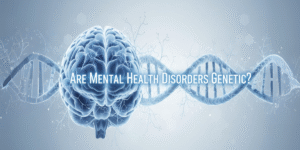
- Genetics
- Hormonal imbalance
- Trauma or abuse
- Stressful environments
- Chronic diseases
It takes strength to face mental health challenges, ask for help, and work toward healing.
Myth 3: “You can just ‘snap out of’ anxiety or depression”
Fact: Mental health conditions require treatment, not willpower
No one chooses to be anxious or depressed. Mental illnesses are real medical conditions, and they require:
- Therapy
- Medication (if needed)
- Lifestyle changes
- Supportive environments
- Stress management techniques
Asking someone to “get over it” is like asking a person with asthma to “just breathe normally.”
Myth 4: “Children cannot have mental health issues”
Fact: Children and teens can also experience mental health problems
Mental health conditions can appear early in life. Stress at school, bullying, trauma, and even genetics play a major role.
Common conditions in younger individuals include:
- ADHD
- Anxiety
- Social anxiety
- Depression
- Learning disabilities
Early treatment helps children grow healthier emotionally and mentally.
Myth 5: “People with mental illnesses are violent or dangerous”
Fact: Most people with mental health conditions are NOT violent
This myth is one of the most harmful. Media often exaggerates these cases for drama and fear. In reality:
- People with mental illness are more likely to be victims, not perpetrators
- Only a small percentage of violent events include mental illness
- Proper treatment helps individuals live peaceful, functional lives
Violence does not equal mental illness, and mental illness does not equal violence.
Myth 6: “Therapy is only for ‘crazy’ people”
Fact: Therapy is helpful for anyone who wants to improve their life
Therapy is not a sign of being broken, it is a sign of wanting better mental and emotional health.
Therapy helps with:
- Stress
- Relationship issues
- Anxiety
- Work pressure
- Trauma
- Personal growth
Even people who aren’t struggling with major issues benefit from therapy, it is self-care.
Myth 7: “Taking medication for mental health means you’re dependent”
Fact: Medication can be a safe and effective treatment
Many people need medication to balance chemicals in the brain. It does not mean they are weak or dependent. Mental health medications:
- Reduce extreme symptoms
- Support therapy progress
- Improve daily functioning
Just like insulin helps diabetics, mental health medication helps regulate the brain.
Myth 8: “Mental health issues will go away on their own”
Fact: Untreated mental health problems can worsen over time
Ignoring symptoms does not make them disappear. Untreated mental health issues may lead to:
- Increased stress
- Relationship problems
- Poor productivity
- Physical health issues
- Severe emotional breakdowns
Early support prevents long-term complications.
Myth 9: “If someone looks fine, they don’t have a mental illness”
Fact: Many people hide their mental health struggles
Anxiety, depression, and other disorders often have invisible symptoms.
People may smile, work, or socialize but still struggle internally. That’s why it’s important to check on your loved ones—even the strong ones.
Myth 10: “Mental health is only about emotions”
Fact: Mental health affects your mind, body, and behavior
Mental health influences:
- Sleep
- Appetite
- Energy levels
- Concentration
- Decision-making
- Immune system
- Physical pain
Mental and physical health are deeply connected.
Why Understanding Mental Health Myths and Facts Matters
1. Reduces stigma
People feel more confident seeking support.
2. Encourages early treatment
Early intervention leads to faster recovery.
3. Supports loved ones
Understanding helps you respond with empathy.
4. Creates a healthier society
When mental health is normalized, people live happier and more productive lives.
How to Spread Awareness and Break Mental Health Myths
You can make a big difference by:
- Sharing accurate information
- Using non-judgmental language
- Encouraging open conversations
- Supporting mental health education
- Promoting therapy and counseling
- Offering kindness instead of assumptions
Small actions change mindsets.
Final Thoughts
Understanding mental health myths and facts is essential for creating a supportive, compassionate, and educated society. Mental health conditions are real, common, and treatable. When we replace myths with truth, we help people feel safe, understood, and valued.
Awareness saves lives.
Knowledge builds empathy.
Truth destroys stigma.