What Is Cardiomyopathy and Its Symptoms
Heart health is one of the most vital aspects of overall well-being, yet it’s often neglected until problems arise. Among the many heart-related conditions, cardiomyopathy stands out as a serious but often misunderstood disorder. Understanding what is cardiomyopathy and recognizing its symptoms early can make a significant difference in preventing complications and improving quality of life.
Cardiomyopathy refers to a group of diseases that affect the heart muscle, making it harder for the heart to pump blood effectively. Over time, this can lead to heart failure, arrhythmias (irregular heartbeats), or other life-threatening conditions. The good news is that with proper awareness, diagnosis, and treatment, many people with cardiomyopathy can manage the condition and live fulfilling lives.
Understanding What Is Cardiomyopathy
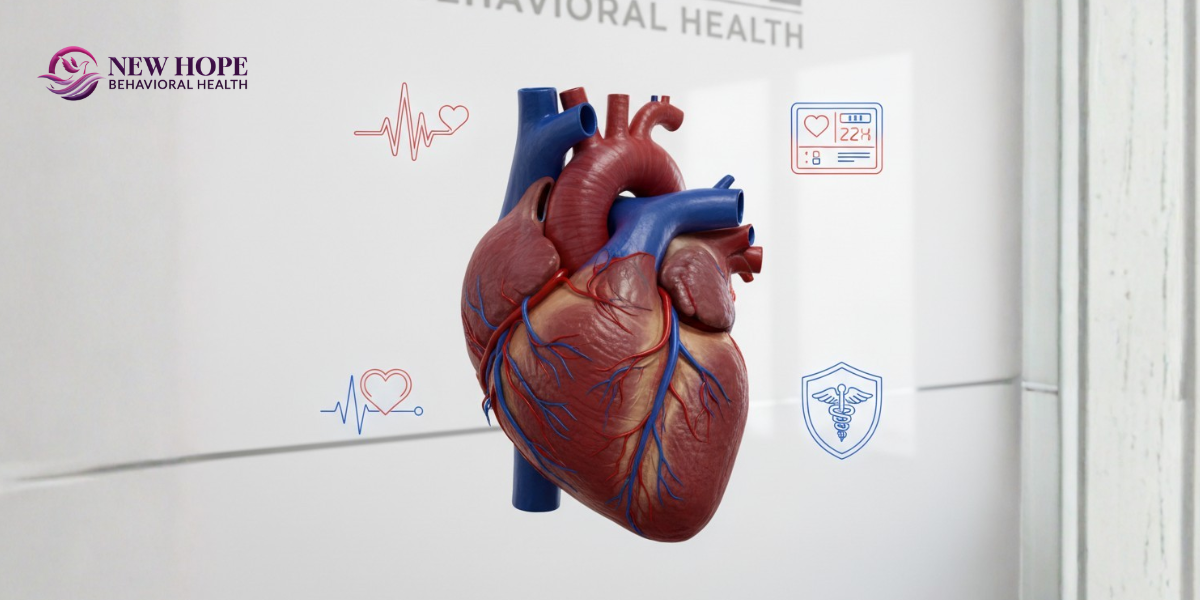
In simple terms, cardiomyopathy means “disease of the heart muscle.” It occurs when the muscle becomes enlarged, thickened, or stiff. This abnormality prevents the heart from working efficiently, eventually leading to decreased oxygen supply throughout the body.
Cardiomyopathy is not caused by a single factor, it can develop from genetics, infections, long-term high blood pressure, or even certain medications. The condition can affect people of all ages, including children, though it’s most commonly diagnosed in adults.
There are several types of cardiomyopathy, each with different causes and symptoms. Understanding these types is key to identifying the right treatment approach.
Types of Cardiomyopathy
1. Dilated Cardiomyopathy (DCM)
This is the most common type of cardiomyopathy. In this condition, the heart’s main pumping chamber — the left ventricle, becomes enlarged and weakened, making it difficult for the heart to pump blood efficiently.
Causes: Genetic factors, alcohol abuse, viral infections, or complications from heart attacks.
Common symptoms: Fatigue, shortness of breath, and swelling in the legs or ankles.
2. Hypertrophic Cardiomyopathy (HCM)
In hypertrophic cardiomyopathy, the heart muscle thickens abnormally, making it harder for blood to leave the heart. It is often inherited and can be present at birth or develop later in life.
Causes: Mostly genetic, though high blood pressure can contribute.
Common symptoms: Chest pain during exercise, dizziness, fainting, and heart palpitations.
3. Restrictive Cardiomyopathy (RCM)
This rare type occurs when the heart muscle becomes stiff but not necessarily thickened. As a result, the heart cannot fill with blood properly between beats.
Causes: Scar tissue, abnormal protein buildup (amyloidosis), or autoimmune conditions.
Common symptoms: Swelling, fatigue, shortness of breath, and irregular heartbeats.
4. Arrhythmogenic Right Ventricular Cardiomyopathy (ARVC)
This genetic condition affects the right ventricle, where healthy muscle tissue is replaced by scar or fatty tissue.
Causes: Genetic mutations affecting heart cell proteins.
Common symptoms: Irregular heart rhythms, fainting spells, and sudden cardiac arrest (especially in athletes).
5. Peripartum Cardiomyopathy
This form develops during the last month of pregnancy or within a few months after delivery.
Causes: Hormonal changes and increased stress on the heart during pregnancy.
Common symptoms: Fatigue, swelling, and difficulty breathing, often mistaken for normal pregnancy symptoms.
Early Signs and Symptoms of Cardiomyopathy
Recognizing symptoms early can prevent severe complications. Because cardiomyopathy progresses gradually, many people don’t notice symptoms until the condition worsens. Common signs include:
- Shortness of breath, especially during activity or while lying down
- Swelling in legs, ankles, or abdomen
- Rapid or irregular heartbeat
- Fatigue or weakness
- Dizziness, lightheadedness, or fainting
- Chest pain or pressure
- Difficulty sleeping due to breathlessness
If you notice these symptoms consistently, it’s important to consult a healthcare professional. Early detection can slow progression and improve long-term heart function.
What Causes Cardiomyopathy
The causes vary depending on the type, but they generally fall into two categories: inherited and acquired.
Inherited Causes
Some forms, like hypertrophic or arrhythmogenic cardiomyopathy, are passed down genetically. A family history of heart disease or sudden cardiac death can increase risk significantly.
Acquired Causes
- High Blood Pressure: Prolonged strain on the heart weakens its walls.
- Coronary Artery Disease: Reduced blood flow damages heart tissue.
- Infections: Viral or bacterial infections can inflame the heart muscle (myocarditis).
- Alcohol or Drug Abuse: Long-term substance use damages muscle fibers.
- Nutritional Deficiencies: Lack of essential nutrients like thiamine can affect heart function.
- Autoimmune Disorders: Diseases like lupus can cause inflammation that damages the heart.
Sometimes, no clear cause is identified, a condition known as idiopathic cardiomyopathy.
How Is Cardiomyopathy Diagnosed
Diagnosis often involves several tests to evaluate heart structure and function. Common methods include:
- Echocardiogram: Ultrasound imaging to examine heart size and movement.
- Electrocardiogram (ECG): Measures electrical activity to detect irregular rhythms.
- Chest X-ray: Shows heart enlargement or fluid buildup in the lungs.
- MRI Scan: Provides detailed images of heart muscle and tissues.
- Blood Tests: Detect signs of infection or genetic markers.
- Cardiac Catheterization: Examines blood flow and pressure within the heart chambers.
A detailed family history is also essential, especially when genetic factors are suspected.
Complications of Cardiomyopathy
If left untreated, cardiomyopathy can lead to several complications:
- Heart Failure: When the heart can’t pump enough blood.
- Arrhythmias: Irregular heartbeats that can be life-threatening.
- Blood Clots: Poor circulation increases clot risk.
- Sudden Cardiac Arrest: Especially in genetic cases like HCM or ARVC.
- Valve Problems: The heart’s structure changes, affecting valve performance.
Understanding what is cardiomyopathy helps in recognizing these risks and taking proactive steps toward management.
Treatment Options for Cardiomyopathy
While cardiomyopathy has no permanent cure, treatment aims to control symptoms, improve quality of life, and prevent complications.
1. Medications
Doctors often prescribe:
- Beta-blockers and ACE inhibitors to reduce strain on the heart
- Diuretics to manage fluid buildup
- Antiarrhythmic drugs to regulate heartbeat
- Blood thinners to prevent clots
2. Lifestyle Modifications
Healthy daily habits can make a big difference:
- Eat a balanced diet low in salt and saturated fats
- Exercise moderately under medical supervision
- Maintain a healthy weight
- Quit smoking and limit alcohol intake
- Manage stress through relaxation techniques
3. Medical Devices
In severe cases, devices like pacemakers or implantable cardioverter defibrillators (ICDs) help regulate heartbeat and prevent sudden death.
4. Surgery
For advanced stages, procedures such as septal myectomy (for HCM) or even a heart transplant may be required.
Preventing Cardiomyopathy
Prevention focuses on controlling risk factors and maintaining heart health. Regular checkups, especially if you have a family history, are crucial. Here’s how you can reduce risk:
- Monitor blood pressure and cholesterol regularly
- Stay active and maintain a healthy diet
- Avoid excessive alcohol or drug use
- Get enough sleep and manage stress
- Seek medical advice for any persistent heart-related symptoms
Living with Cardiomyopathy
Being diagnosed with cardiomyopathy can feel overwhelming, but many people live long, productive lives with proper care. The key is consistency, regular follow-ups, medication adherence, and lifestyle adjustments can dramatically slow progression.
Support groups, counseling, and cardiac rehabilitation programs can also provide emotional strength and practical guidance. Remember: heart health isn’t just physical, it’s emotional too.
When to See a Doctor
Contact your healthcare provider immediately if you experience:
- Severe shortness of breath
- Chest pain or fainting
- Rapid or irregular heartbeats
- Swelling that worsens suddenly
Early medical attention can prevent serious outcomes and help stabilize your condition.
Final Thoughts
Understanding what is cardiomyopathy and its symptoms empowers you to take charge of your heart health. While the condition can be serious, modern treatments and lifestyle strategies have made management far more effective than in the past. The sooner you identify the signs and seek care, the better your long-term outlook.
Your heart deserves consistent care, attention, and compassion, because prevention and awareness truly save lives.